Key points
Worsening cramps or pain that continues after your period deserves assessment. Learn which changes to mention, from bleeding to bowel pain, and when to seek urgent care.
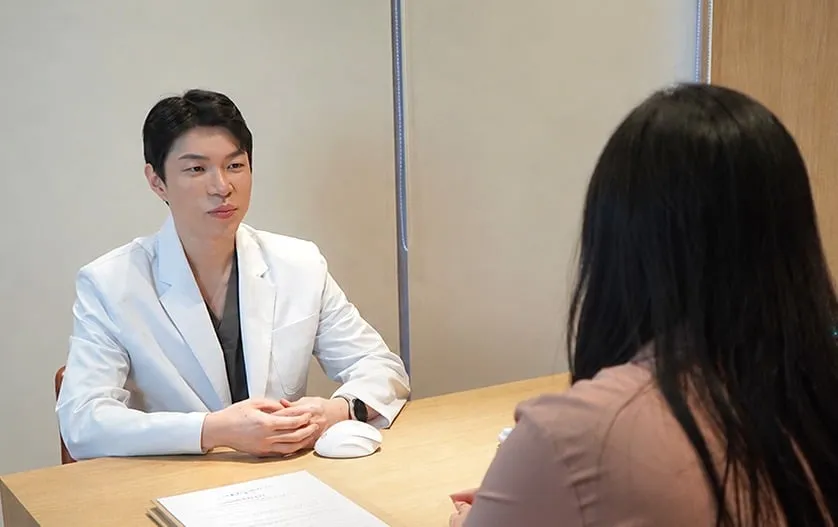
Hello, I’m Dr. Hong Myeong-hwi, Chief Physician at Hyunginjae Korean Medicine Clinic Gangnam (Acupuncture Hyunginjae Gangnam Diet Korea).
Pain that comes every month is still worth treating. If cramps once lasted only on day one but now begin several days earlier or continue after bleeding stops, that change matters.
I don’t assume every case of period pain has the same cause. Rather than dismissing it as your usual pattern, I place weight on when it changed and what feels different.
1. Notice timing as well as severity
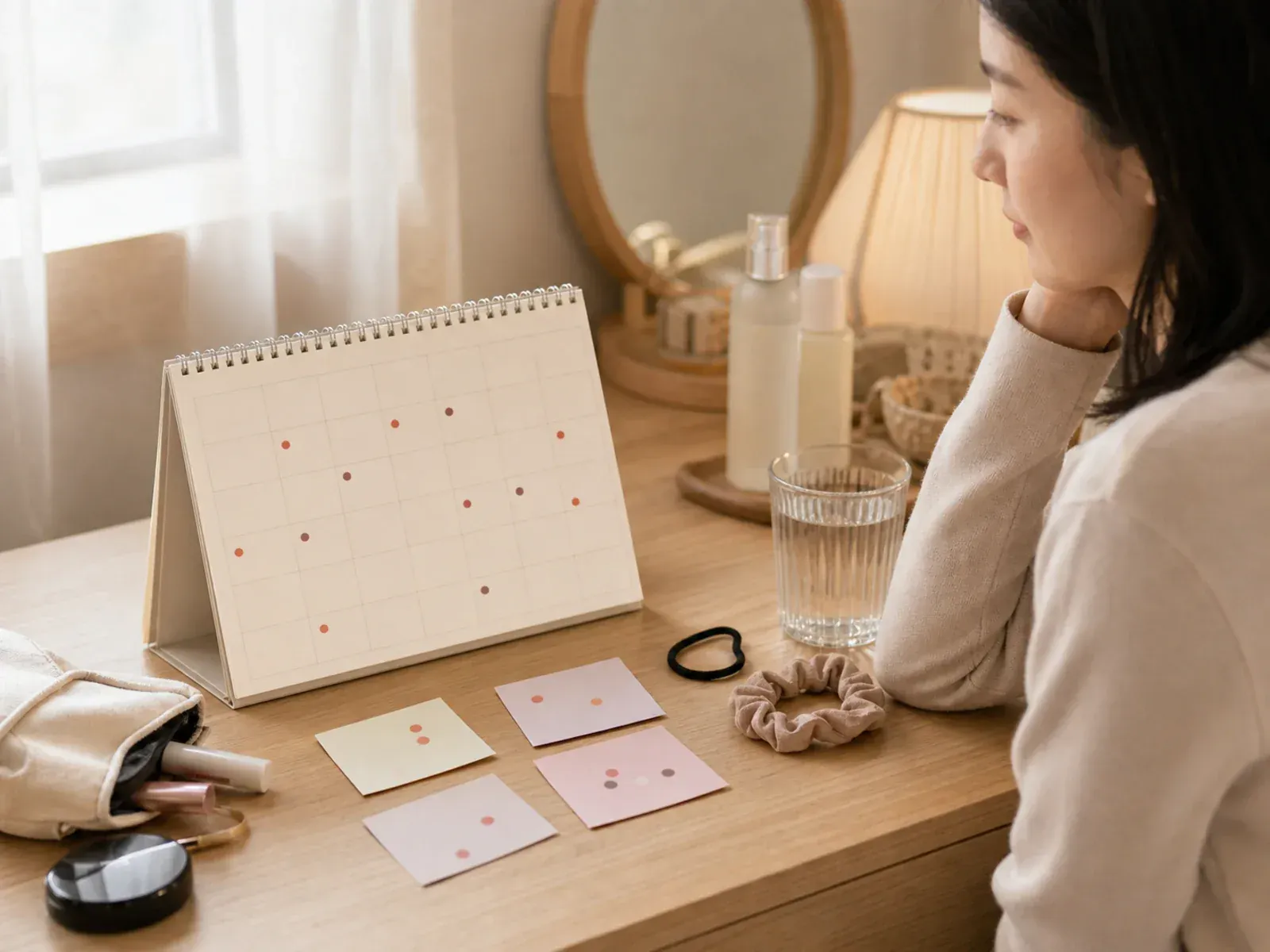
Change is a clue. Count the first day of bleeding as day 1, and note when pain starts and ends. Describe whether it affects the whole lower abdomen or mainly one side.
A score from 0 to 10 can help you track pain, but it isn’t a diagnosis. Add whether you missed work, woke from sleep, or couldn’t eat. These details show its impact on daily life. There’s no need to compare how much pain you can tolerate with anyone else.
Some cramps come from uterine contractions. Others may involve conditions such as endometriosis, adenomyosis, or fibroids. If pain keeps getting worse or continues after your period, arrange a gynecological assessment to look for the cause.
2. Mention bleeding and bathroom pain
Look beyond cramps. Tell the clinician if bleeding is heavier than usual, if you bleed between periods, or if passing stool, urinating, or having sex hurts.
Note how often you change your usual period products and whether you have leaks. Different products absorb different amounts, so the number of changes alone cannot establish blood loss.
I also value reviewing everyday habits alongside physical symptoms. Changes in sleep and meals can help inform a consultation, but stress or body constitution alone cannot explain the cause. Bring earlier test results and the names, doses, and effects of pain medicines you have used.
3. Don’t wait for another period
Care comes first. If pain is worse than usual and painkillers haven’t helped, contact a clinician that day for prompt assessment. Pelvic pain with fever, unusual discharge, or any possibility of pregnancy also needs urgent assessment.
Seek emergency care for sudden, very severe abdominal pain, rapidly worsening pain, or pain accompanied by fainting, severe dizziness, or heavy vaginal bleeding. Ask for help; don’t drive yourself.
Bleeding does not rule out pregnancy. One-sided lower abdominal pain after a late period should not simply be treated as menstrual cramps. Never delay care to finish a symptom log.
4. Heat is a supporting measure
You don’t need to tough it out. Comfortable warmth on the abdomen or lower back and gentle movement within your limits may ease discomfort. Don’t apply a hot pack directly to your skin or fall asleep with it in place.
Follow the medicine label and advice from your clinician or pharmacist. Don’t raise the dose yourself or add a medicine with overlapping ingredients because relief is inadequate.
A Korean medicine consultation should also consider the timing of pain, your health, and ongoing treatment. This article cannot determine the cause or an appropriate prescription. Heat or Korean medicine treatment does not replace necessary tests or gynecological care.
At your next consultation, start with the day that was hardest and the symptoms that changed. What feels different matters more than how long you have endured it.
This is general health information, not an individual diagnosis or treatment plan. A clinician should assess the cause of symptoms and appropriate care.
This was Dr. Hong Myeong-hwi, Chief Physician at Hyunginjae Korean Medicine Clinic Gangnam (Acupuncture Hyunginjae Gangnam Diet Korea).
Consultation is available in English, Japanese, and Chinese.
Parking: a parking elevator is available inside the building. For SUVs and large sedans, please contact us before your visit.
For appointments, please contact us by phone or through our website.
2F–3F, 20 Yeoksam-ro 1-gil, Gangnam-gu, Seoul
tel. +82-2-540-8875

This article is general health information and does not replace a personal diagnosis. If symptoms persist or worsen, please see a doctor.
About our doctor