Key points
Before adding a supplement to Korean herbal medicine, check the ingredients, doses, and medicines you already take. Learn why spacing doses is not a universal solution and what to bring to a consultation.
Hello. I’m Dr. Hong Myeong-hwi, Chief Physician at Hyunginjae Korean Medicine Clinic Gangnam (Acupuncture Hyunginjae Gangnam Diet Korea).
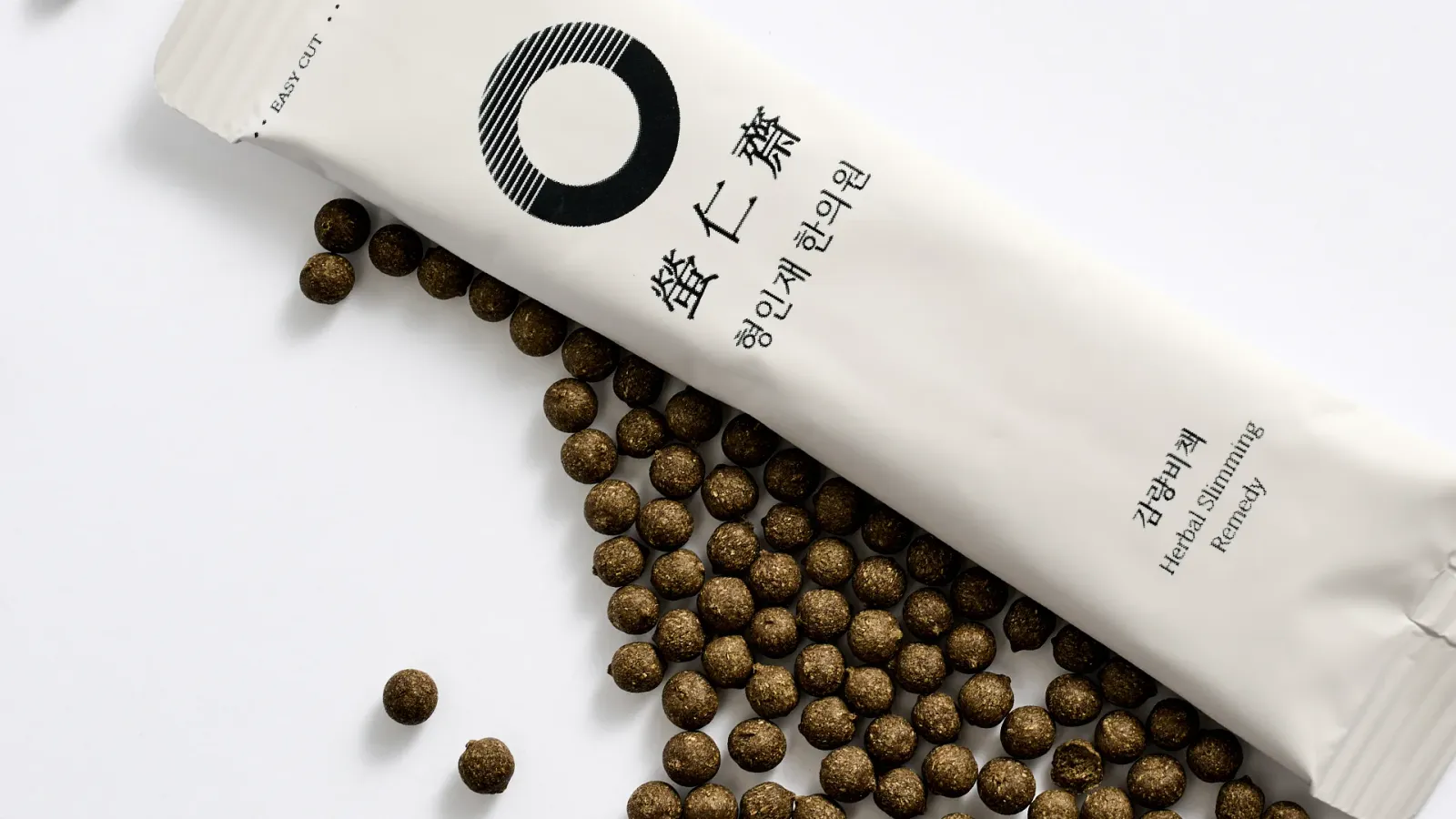
A pouch of Korean herbal medicine, a vitamin bottle, and a prescription sit on the breakfast table. Each may be familiar on its own. Taking them together still needs a separate check. Start with the ingredients.
I don’t judge good treatment by how long someone takes herbal medicine. Before adding another product, it helps to establish what you already take and why. Supplements belong on that list, too.
1. List the product names and the doses you actually take
You can bring the containers. Put prescription medicines, over-the-counter pain and cold medicines, Korean herbal preparations, vitamins, and supplements on one list. Include products you only use occasionally.
Note the product name and start date, then list the amount per dose separately from the daily frequency. The daily frequency changes the total amount you take. “One vitamin tablet” doesn’t identify its ingredients or strength. Take separate photos of the front of the package and the ingredient panel. If the label is unclear, bring the package or prescribing instructions instead of guessing.
Look for overlapping ingredients. A multivitamin may contain vitamin D that you also take separately. Different product names don’t rule out duplication. An overlap isn’t a reason to stop everything; the total amount and the reason for taking it need review.
2. Don’t rely on a universal two-hour gap
Timing isn’t the only issue. Some ingredients affect how a medicine is absorbed. Others change how it is broken down or removed from the body. These interactions can alter how a medicine works.
There is no universal rule that Korean herbal medicine and supplements are safe together if taken two hours apart. Whether to adjust timing or avoid a combination depends on the products involved. The actual prescription and supplement need checking before setting a schedule.
“Natural” isn’t enough information either. Prescribed Korean herbal preparations and retail supplements are different product categories, but neither can be judged safe without considering ingredients and dose.
3. Mention pregnancy, breastfeeding, and planned surgery
Your circumstances matter. Tell your clinician before starting a product if you are pregnant, trying to conceive, or breastfeeding. Also mention liver or kidney disease and medicines that need careful monitoring, such as anticoagulants.
If surgery or anesthesia is planned, give the surgical team your full list, including herbal medicine and supplements. Some ingredients can affect bleeding or the response to anesthesia. When to stop depends on the product and procedure; don’t choose a date yourself.
I place importance on reviewing daily habits and current health before prescribing. Two people with fatigue may need different assessments because their medicines and medical histories differ.
4. Check new symptoms before the next dose
Don’t push through symptoms. If a rash or stomach discomfort starts after a new product, note the start date, dose, and when symptoms appeared, then contact a clinician. Stop a suspected new supplement while seeking advice, but don’t stop an established prescription medicine on your own. Symptoms after Korean herbal medicine should also be reported promptly to the clinic that prescribed it.
Seek emergency care for trouble breathing, swelling of the lips or tongue, or fainting. Don’t wait for a routine consultation. Care comes before record-keeping.
This article cannot determine whether a specific herbal prescription and supplement can be combined. Research is not adequate for every combination. An absence of reported problems is different from confirmed safety.
Before choosing a new supplement, gather what you already take. Package photos and a medication list make it easier to discuss what to continue and what may need adjusting.
This is general health information, not an individual diagnosis or dosing instruction. Check combinations with your healthcare team using the actual ingredients, doses, and your health history.
This was Dr. Hong Myeong-hwi, Chief Physician at Hyunginjae Korean Medicine Clinic Gangnam (Acupuncture Hyunginjae Gangnam Diet Korea).
Consultation is available in English, Japanese, and Chinese.
Parking: a parking elevator is available inside the building. For SUVs and large sedans, please contact us before your visit.
For appointments, please contact us by phone or through our website.
2F–3F, 20 Yeoksam-ro 1-gil, Gangnam-gu, Seoul
tel. +82-2-540-8875

This article is general health information and does not replace a personal diagnosis. If symptoms persist or worsen, please see a doctor.
About our doctor