A widely trusted, representative restorative tonic
Gongjindan · Gyeongokgo
(HyungInJae Gongjindan · Gyeongokgo)
Every Korean knows it.
The essence of K-medicine for your family’s health and your own
A thoughtful alternative to red ginseng: Gongjindan · Gyeongokgo
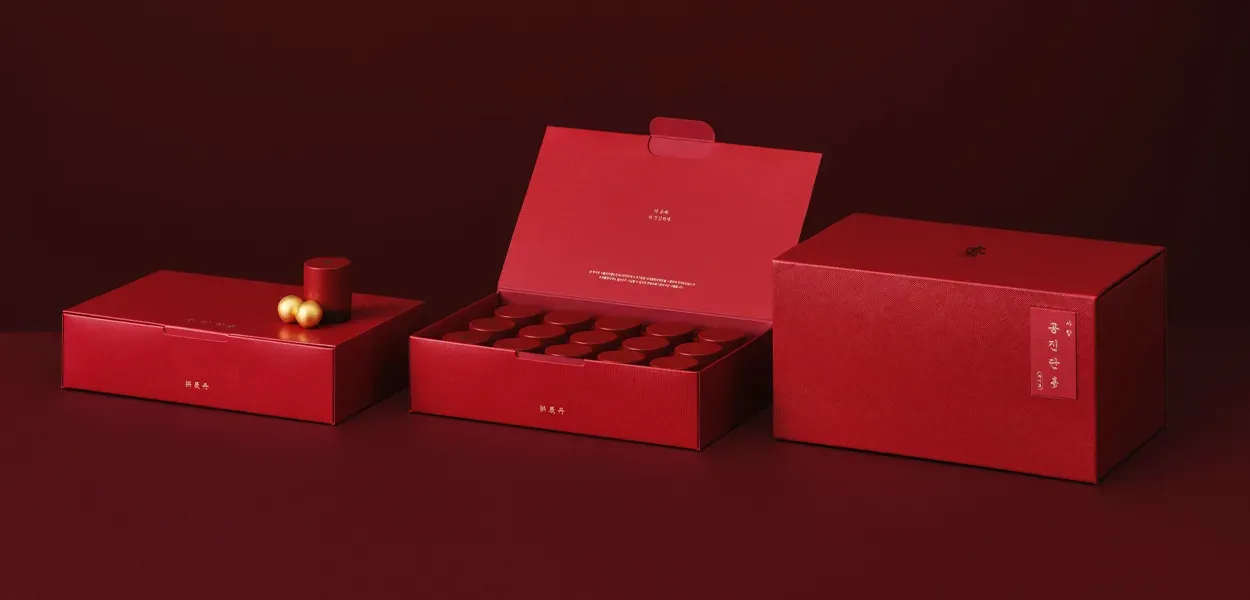
HyungInJae Premium Gongjindan
Gongjindan
When vital energy is nourished and the body’s internal systems move in harmony,
the five organs (liver, heart, spleen, lung, and kidney) are described as coming into balance and supporting overall wellness.
固天元一氣使水升火降則五藏自和百病不生 (Donguibogam)
It is a well-known formula recorded in the Shiyi Dexiao Fang, a medical text by Wei Yilin, a renowned physician of the Yuan dynasty,
an emperor’s tonic, and is celebrated as such. In Joseon, too, it was a leading royal restorative,
valued and taken by many kings, including Gyeongjong, Jeongjo, and Sunjo.

Easing waning focus in students

Easing fatigue from overwork in working adults

Helping maintain brain function with age

Supporting physical performance

Supporting liver function

Support for brain and vascular health
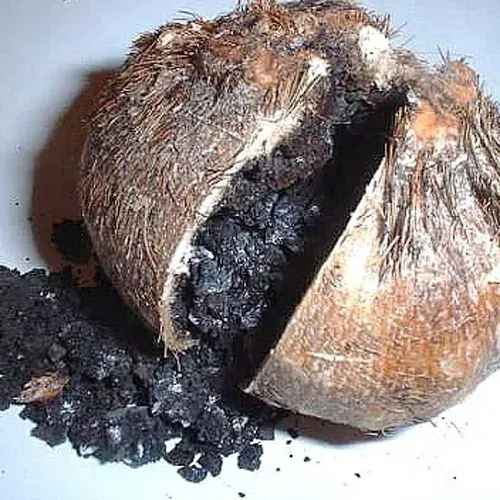
Musk
性溫味辛苦無毒主辟惡氣鎭心安神 (from Donguibogam)
Warm in nature [溫], pungent [辛] and bitter [苦] in taste, and non-toxic. It dispels noxious influences, calms the mind, and settles the spirit.
A key herb for promoting circulation,
traditionally used to support cerebral and cardiovascular circulation and to care for forgetfulness, reduced memory, and reduced concentration
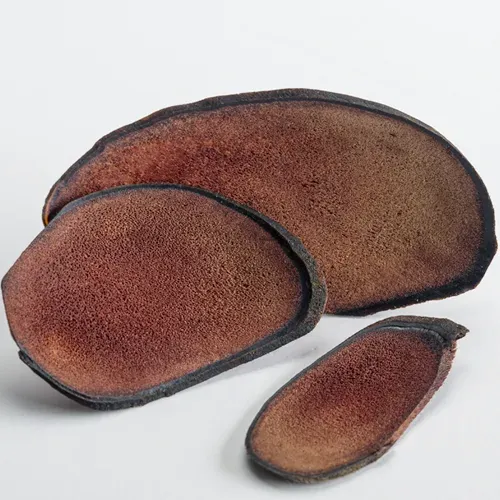
Deer antler velvet
性溫味甘酸(一云苦辛)無毒療虛勞羸瘦四肢腰脊痠疼補男子腎虛冷脚膝無力 (from Donguibogam)
Warm in nature [溫], sweet [甘] and sour [酸] in taste (also described as bitter [苦] and pungent [辛]), and non-toxic. It addresses emaciation from taxation fatigue [虛勞羸瘦] and aching cold in the limbs, lower back, and spine, and tonifies men with cold kidney-qi (腎氣) deficiency (虛冷) and weakness of the legs and knees.
Acting on the liver and kidneys, it strengthens the bones and replenishes qi and blood, marrow (essence), and yang energy,
and for low energy from lack of sleep, children’s growth, and various age-related symptoms such as
lower back pain, knee pain, declining vision and hearing, frequent urination, urinary incontinence, and nighttime urination, it is regarded as helpful.
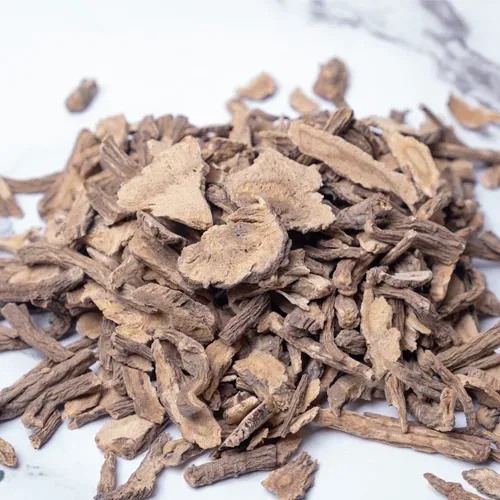
Angelica root
性溫味甘辛無毒治一切風一切血一切勞破惡血養新血 (from Donguibogam)
Warm in nature [溫], sweet and pungent [甘辛] in taste, and non-toxic. It addresses all wind disorders (風病), blood disorders (血病), and taxation fatigue (虛勞), breaks up stagnant blood [破惡血], and generates fresh blood.
Acting on the liver, heart, and spleen, it replenishes the blood and helps keep blood circulationflowing smoothly.
A supporting herb that aids the action of musk.
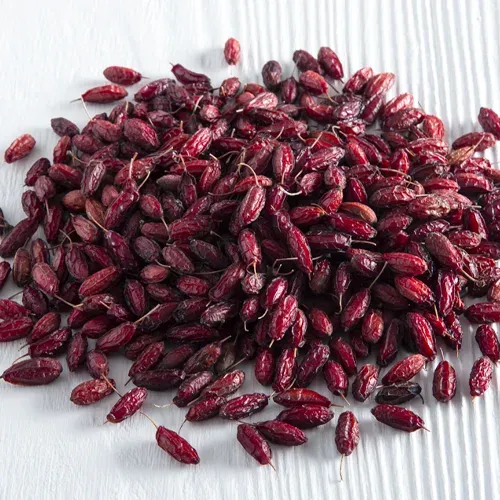
Cornus fruit
性微溫味酸澁無毒强陰益精補腎氣興陽道堅長陰莖添精髓煖腰膝助水藏 (from Donguibogam)
Slightly warm in nature [微溫], sour [酸] and astringent [澁] in taste, and non-toxic. It invigorates yin (陰), replenishes essence [精] and kidney-qi (腎氣), supports male vitality, and replenishes essence and marrow (精髓). It also warms the lower back and knees to support the kidneys [水藏].
A supporting herb that acts on the kidneys to assist deer antler velvet and enhance its effect.
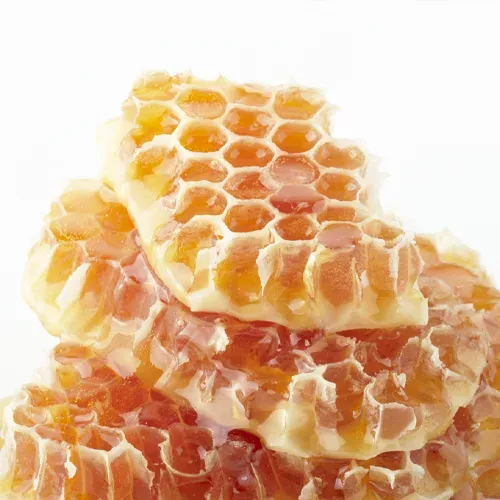
Honey
性微溫味酸澁無毒强陰益精補腎氣興陽道堅長陰莖添精髓煖腰膝助水藏 (from Donguibogam)
Neutral in nature [平] (also described as slightly warm [微溫]), sweet [甘] in taste, and non-toxic. It calms the five organs, supports qi, tonifies the spleen and stomach, relieves pain, and resolves toxins [解]. It addresses a variety of ailments, harmonizes all the other herbs, and tonifies spleen-qi (脾氣).
It supports digestion and lung function and helps the other herbs work in harmony.
The premier restorative introduced first in Donguibogam
Gyeongokgo
“It bolsters essence (精) and marrow (髓), harmonizes the true qi,
replenishes the vital energy,
restores youthfulness,
tonifies all forms of depletion (虛損證), and addresses a variety of ailments.
It also improves the spirit, fills out the five organs,
turns white hair black again,
regrows lost teeth, and makes one’s gait as swift as a galloping horse.”
塡精補髓調眞養性返老還童補百損除百病
萬神俱足五藏盈溢髮白復黑齒落更生行如奔馬日進 (Donguibogam)
The Donguibogam describes Gyeongokgo with exaggerated expressions, such as lost teeth growing back; these are understood as metaphors for its value as a restorative tonic.
It may help support care for long-standing fatigue, reduced stamina, weakened immune function, age-related weakness,
respiratory care and memory support,
and may be considered when chronic fatigue or signs of aging become noticeable.

Care for chronic fatigue

Supporting immune function

Helping address signs of aging
Easing signs of frailty

Respiratory care

Supporting memory
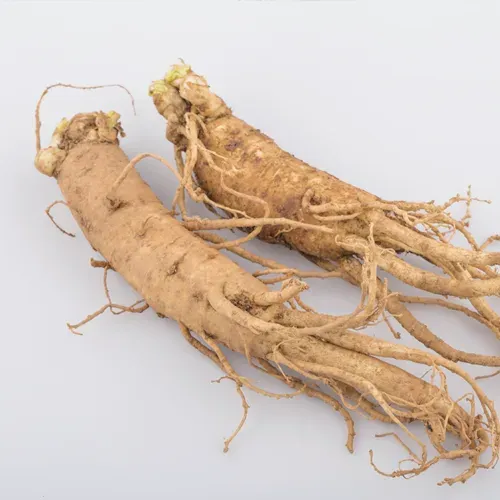
Korean ginseng
性微溫(一云溫)味甘(一云味苦)無毒主五藏氣不足安精神定魂魄明目開心益智療虛損 (from Donguibogam)
Slightly warm in nature [微溫], sweet [甘] in taste (also said to be slightly bitter), and non-toxic. It is used chiefly for insufficiency of the five organs’ qi, calms the spirit, brightens the eyes, opens the heart orifices, and improves memory. It replenishes what has been depleted.
Korean ginseng is renowned as Korea’s signature medicinal herb.
Acting on the spleen, heart, and lung, it is helpful for low energy, weakened immunity, poor appetite, night sweats, and low blood pressure.
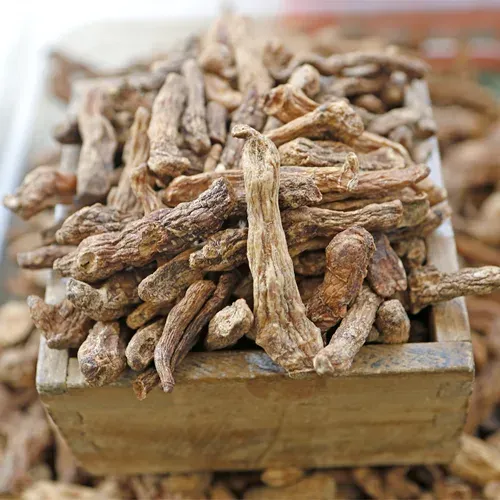
Rehmannia
性溫味甘微苦無毒大補血衰善黑鬚髮塡骨髓長肌肉助筋骨補虛損通血脉益氣力利耳目 (from Donguibogam)
Warm in nature [溫], sweet [甘] and slightly bitter [微苦] in taste, and non-toxic. It strongly replenishes deficient blood, darkens the beard and hair, supplements marrow, builds the flesh, and strengthens the sinews and bones. It also tonifies depletion (虛損證), frees the blood vessels, boosts energy, and brightens the ears and eyes.
Strongly replenishes fluids and blood;
a key herb for caring for various age-related concerns.
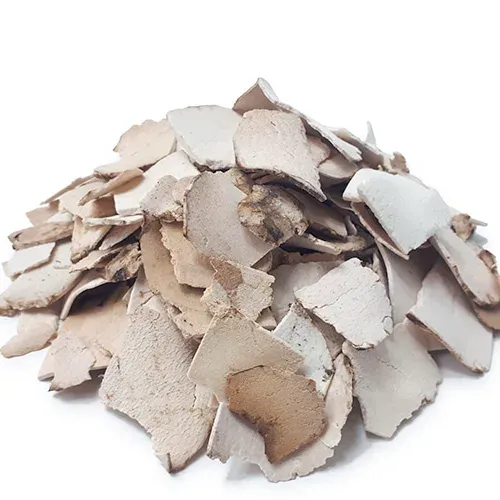
Poria mushroom
性平味甘無毒開胃止嘔逆善安心神仙經服食亦至要云去濕痺而致靈和魂而鍊魄開竅而益肌厚腸而開心調榮 (from Donguibogam)
Neutral in nature (平), sweet [甘] in taste, and non-toxic. It stimulates the appetite, stops nausea, and calms the heart and spirit. The Xianjing (仙經) states that it may even be eaten in place of food. It clears the spirit, settles the ethereal and corporeal souls, frees the nine orifices, builds the flesh, benefits the large and small intestines, and brings ease to the chest.
Regulates the body’s fluid balance,
helping address excess fluid such as edema while replenishing deficiency. It also supports a calm mind.
Honey
性微溫味酸澁無毒强陰益精補腎氣興陽道堅長陰莖添精髓煖腰膝助水藏 (from Donguibogam)
Neutral in nature [平] (also described as slightly warm [微溫]), sweet [甘] in taste, and non-toxic. It calms the five organs, supports qi, tonifies the spleen and stomach, relieves pain, and resolves toxins [解]. It addresses a variety of ailments, harmonizes all the other herbs, and tonifies spleen-qi (脾氣).
It supports digestion and lung function and helps the other herbs work in harmony.
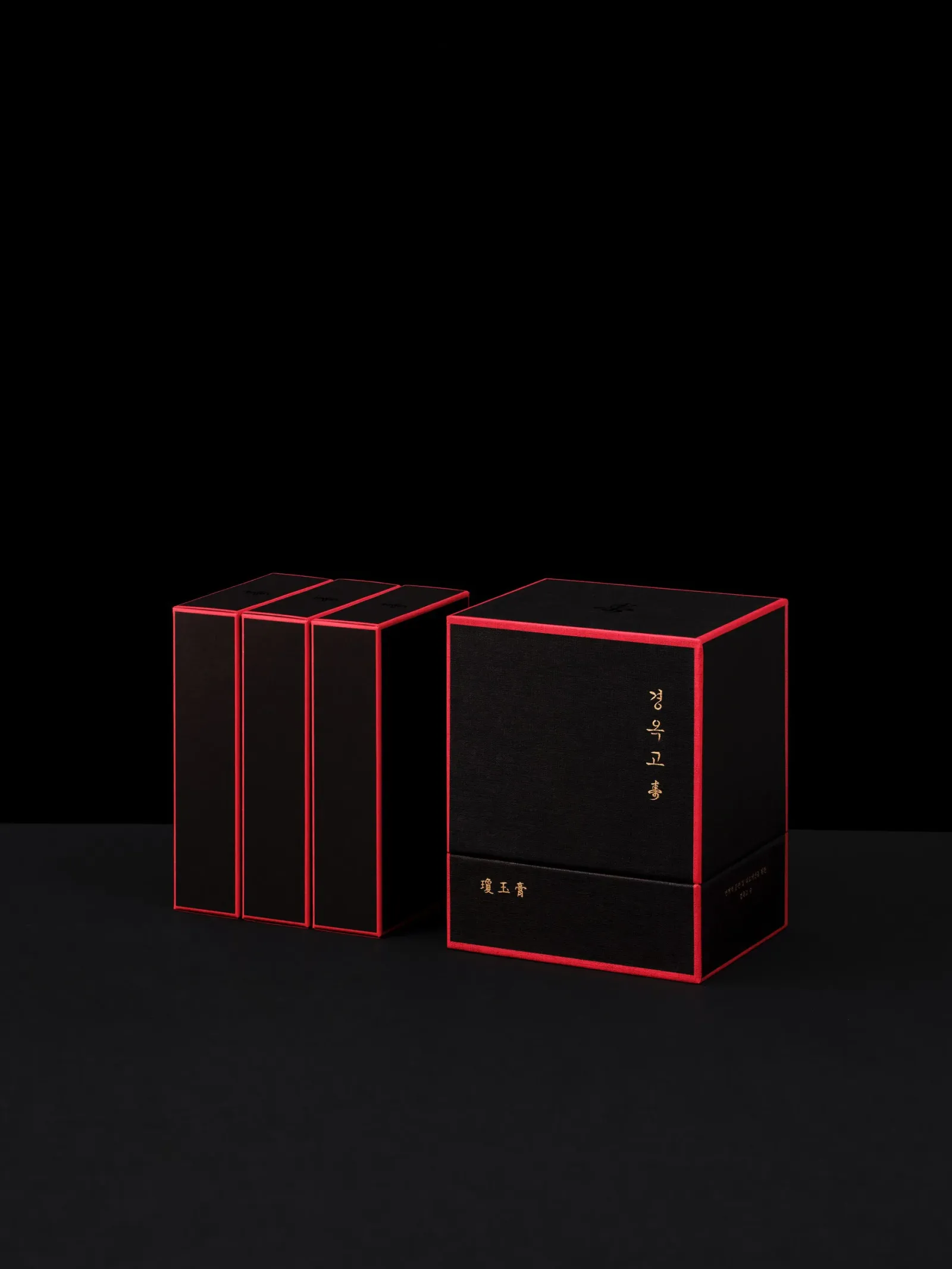
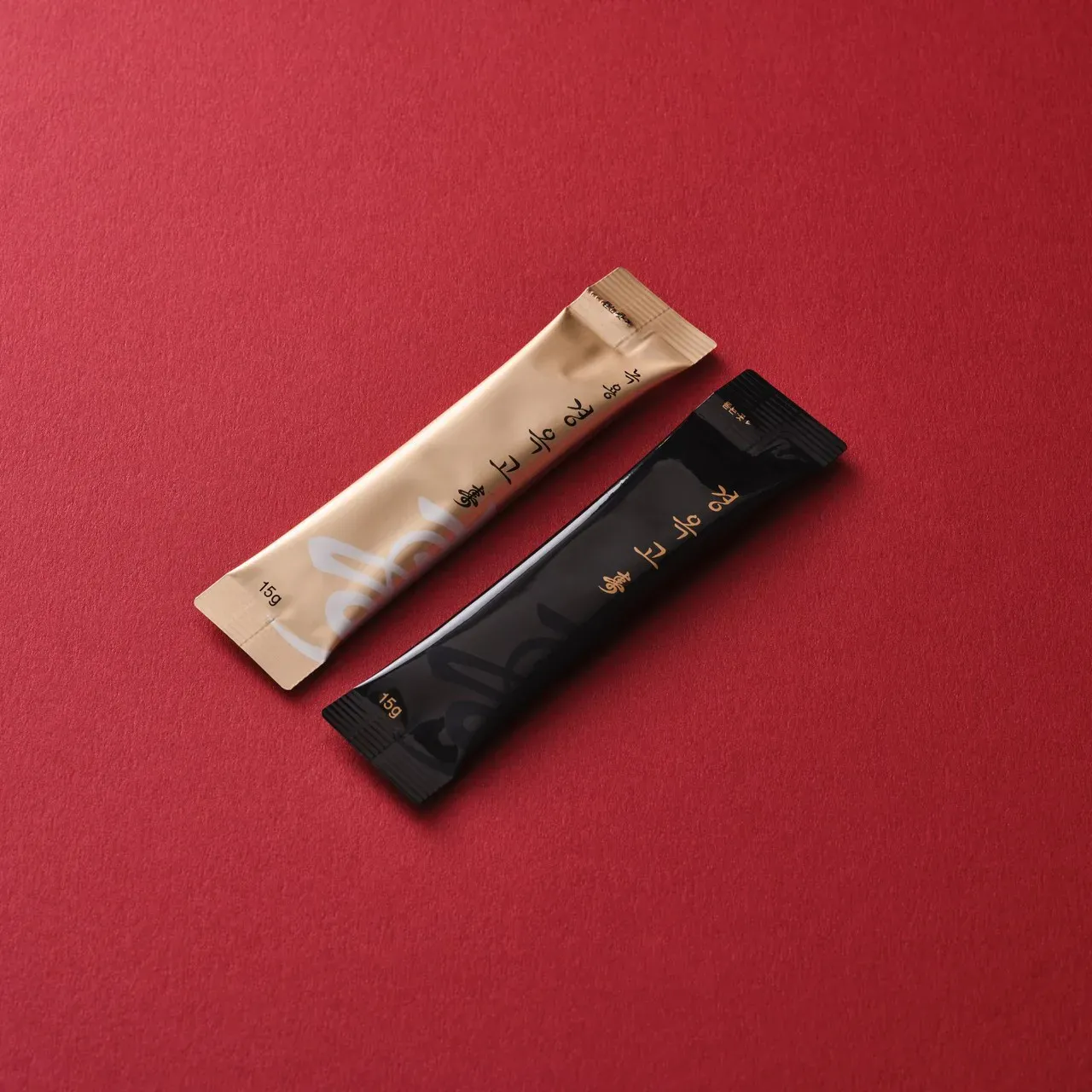
HyungInJae “Su 壽” Gongjindan · Gyeongokgo
Korean herbal medicine is made from natural ingredients.
It does not include added steroid or antihistamine ingredients.
Prescriptions can be tailored to your constitution and symptoms.
From children to seniors, it can be taken under a Korean Medicine doctor’s prescription.
At Su 壽, we believe it is essential to harmoniously combine
traditional wisdom with modern technology.
We carefully select the beneficial elements of the preparation process and incorporate the latest technology
to provide well-balanced, carefully made Korean herbal medicine.
Experience modern Korean herbal medicine that combines our own know-how with cutting-edge technology.
Quality ingredients and a rigorous preparation process support the quality of Korean herbal medicine.
We select Korean medicinal herbs carefully, wash them thoroughly,
and apply sterilization at every stage to help reduce harmful factors.
Every step is supervised by Korean Medicine doctors and herbal pharmacists.
We use only verified ingredients.
We use herbs certified under hGMP, the herbal-material manufacturing and management standard set by the Korean Ministry of Food and Drug Safety,
and ingredients that have passed our own component and genetic testing.
For especially precious herbs such as musk and agarwood, we use authentic materials licensed
under the Convention on International Trade in Endangered Species (CITES).
We do not release Korean herbal medicine we are not confident in.
We manage hygiene through infrared sterilization
and ultra-low-temperature freezing under standards stricter than those of the Ministry of Food and Drug Safety.
Fine particles of around 20 μm made with micro-milling technology
make it easy to take and support absorption in the body.

We attend to every detail, right down to the moment the medicine reaches you.
We see not only the quality of the medicine, but also the experience of receiving and taking it, as an extension of care.
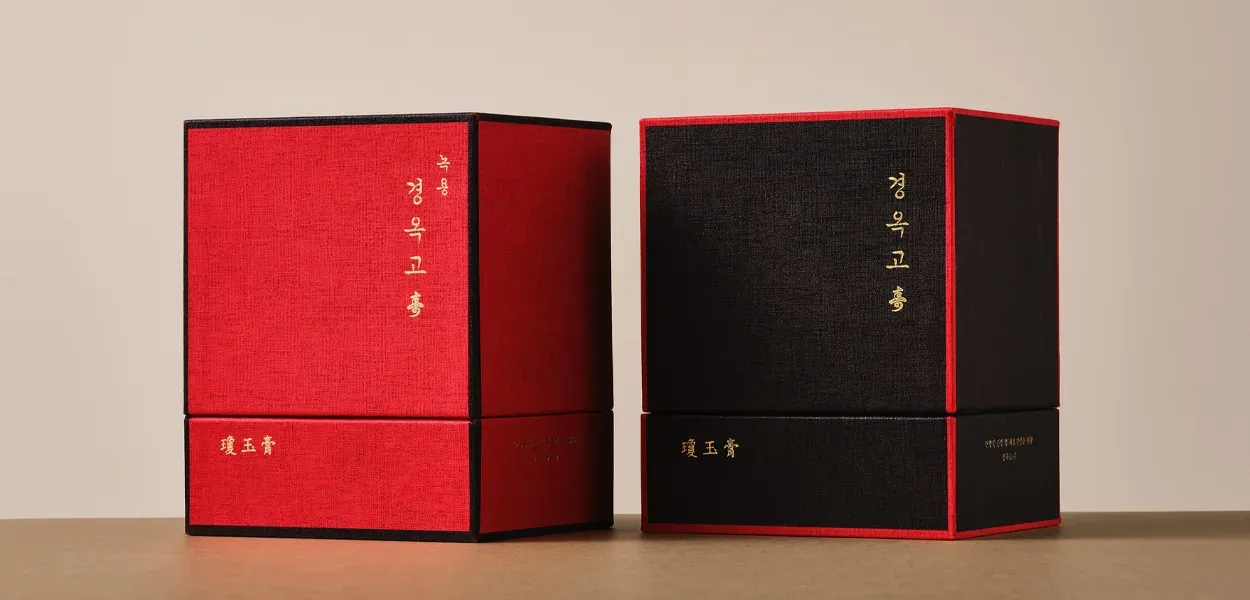
We have reinterpreted the beauty of the Joseon era in a modern way, adding a new aesthetic to our packaging.
Wellness
Why consider Gongjindan · Gyeongokgo alongside red ginseng?
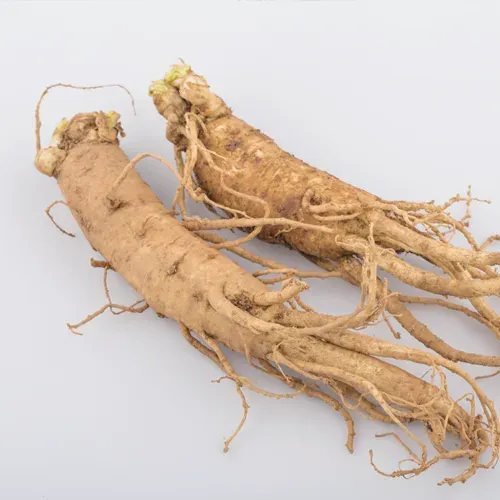
Red ginseng does not appear in Donguibogam
Red ginseng was developed to preserve Korean ginseng for long-term storage when exporting it to China,
by repeatedly steaming and drying the ginseng so that it would not spoil over time.
Side effects of ginseng
人蔘動肺火凡吐血久嗽面黑氣實血虛陰虛之人勿用代以沙蔘可也 (from Donguibogam)
Ginseng stirs up Lung Fire (肺火), so for those who spit blood, cough for a long time,
have a dark complexion with excess qi, or have deficient blood and yin, it should not be used;
it is better to use deodeok (Adenophora) as a substitute.
Because ginseng and red ginseng are warm in nature, people with a lot of internal heat who take them for a long time may experience insomnia, dizziness, itchy skin, blotches, allergies, poor appetite, indigestion, constipation, or diarrhea, as well as sex-hormone-related symptoms such as breast pain, breast swelling, vaginal bleeding, or absence of menstruation.
Psychiatric side effects may include mania and excessive euphoria,
and cardiovascular side effects may include raised blood pressure, rapid heartbeat, palpitations, and a feeling of tightness.
Students and pregnant women, in particular, should take them with extra caution.
In Europe, the daily intake of red ginseng has been limited to 2 g.
“Is the ginseng in Gyeongokgo a concern?”
Gongjindan and Gyeongokgo combine multiple herbs rather than one, balancing their effects.
As a formulation that draws out benefits while easing burden, it has been valued for over a thousand years.