
Respiratory checklist
Recurring respiratory symptoms —
are they wearing you down?
This page is for people like you
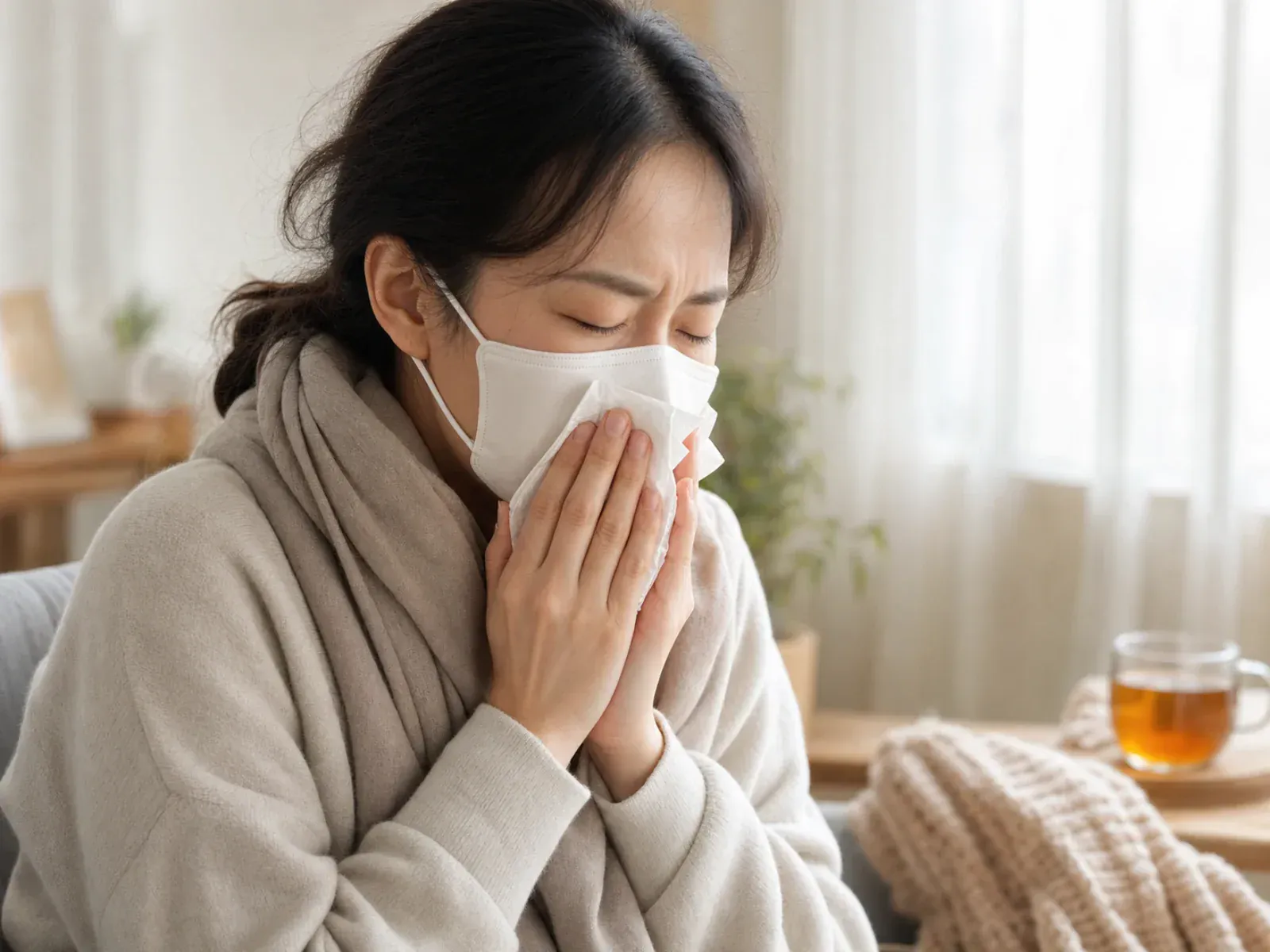
You take medicine, feel better for a while, and then it flares up again.
If you’ve tried pharmacy medicines, ENT clinics, and internal medicine but never received an explanation for why it keeps coming back, it may be time to look at your constitution and contributing factors together.
A cough that lasts more than three weeks
The cold seems gone, but the cough lingers. A dry cough drags on.
Rhinitis and coughing return with every change of season
Each spring and autumn, a stuffy nose and sneezing return without fail.
Frequent phlegm and a lump-like feeling in the throat
Even after coughing, the feeling of something stuck won’t go away.
Once you catch something, recovery is unusually slow
Everyone around you has recovered, yet you stay unwell far longer.
Cold air and odors make coughing and sneezing worse
You react sensitively to air conditioning, perfume, and fine dust.
Diagnosed with, or suspected of having, bronchial asthma
You use an inhaler, but it doesn’t feel like anything is fundamentally improving.
The Korean medicine perspective
Respiratory health —
how Korean medicine sees it differently
Conventional medicine focuses on suppressing airway inflammation and relieving symptoms. Korean medicine first looks at why the same person keeps experiencing respiratory symptoms, and which foundations of the body have weakened.
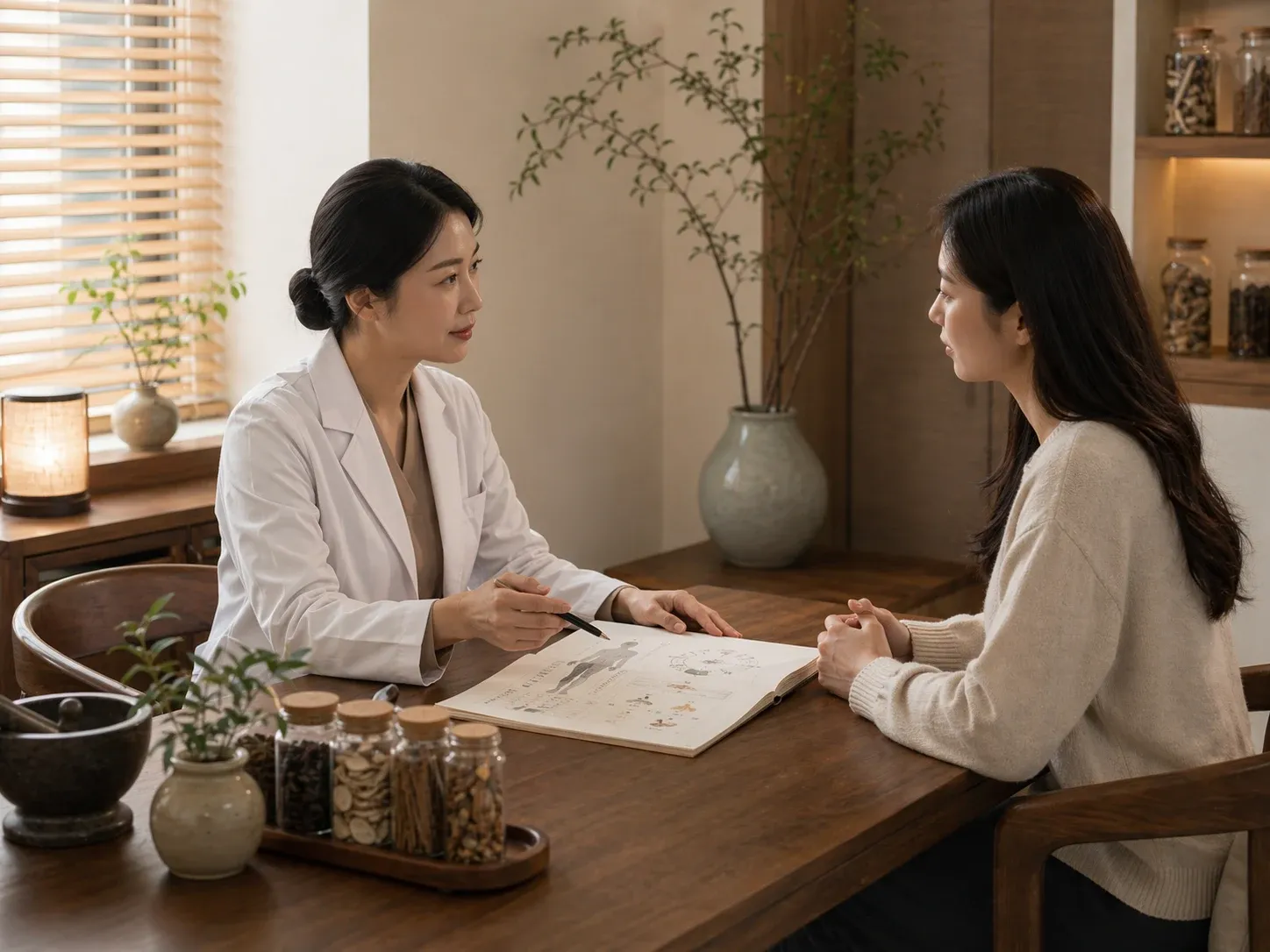
In Korean medicine, the Lung (肺) is more than the respiratory system
In Korean medicine, the Lung (肺) governs not only the entire respiratory system but also the skin, nose, immune defenses, and fluid circulation. When Lung energy weakens, colds become frequent, rhinitis recurs, and the skin turns sensitive and dry. This is why we look at the body’s overall defenses rather than the cough alone.
Lung qi deficiency (肺氣虛) — a Lung low on energy
The voice is faint, fatigue sets in easily, and breath grows short. Colds are frequent and recovery is slow. Coughs are weak and the phlegm is thin.
Lung yin deficiency (肺陰虛) — a dry, sensitive Lung
A dry cough persists and the throat is often dry. Symptoms tend to worsen in the evening, with a dry mouth and nose.
Spleen–Lung connection (脾肺相關) — immunity linked to digestion
In Korean medicine, the Spleen (脾) is the source of Lung energy. When digestion is weak, immunity declines along with it. This applies to those who experience indigestion and frequent colds at the same time.
Recurrent external invasion (外感) — weakened surface defenses
For those especially vulnerable to cold wind and cold air. With insufficient defensive qi (衛氣) protecting the body’s surface, symptoms recur with every change of season.
Key symptoms we address
When HyungInJae’s respiratory care
may help


How HyungInJae practices
Not the symptom, but the recurring
reason — that is what we look for
Even for the same cough, the prescription differs depending on whether it stems from Lung qi deficiency, Lung yin deficiency, or a Spleen–Lung connection. Giving the same prescription without examination does not fit HyungInJae’s care philosophy.
STEP 01
Blood test — checking immune markers and inflammation levels
A blood test checks indicators related to immune function, inflammation levels, and allergic response. Understanding your body’s current state in measurable terms is the starting point.
Blood testSTEP 02
Constitutional diagnosis — identifying which Lung energy has weakened
Through pulse, tongue, and intake examination, we determine whether the pattern is Lung qi deficiency, Lung yin deficiency, or a Spleen–Lung connection. We look at the body’s foundation, not the symptoms alone.
Constitutional diagnosisSTEP 03
InBody measurement — checking body fat and fluid balance
Body composition reveals your overall physical foundation. Chronic respiratory symptoms often come with reduced stamina, so we manage them together.
InBodySTEP 04
Personalized prescription — constitution-based herbal medicine by pattern, plus a treatment plan
We combine the test results and constitutional diagnosis to design a prescription suited to the respiratory pattern. We prioritize supporting the body’s defenses over merely suppressing symptoms.
Personalized prescription
Treatment components
The treatment program of
HyungInJae’s respiratory care
Our goal is not to suppress coughing and rhinitis, but to support a body less prone to recurrence.
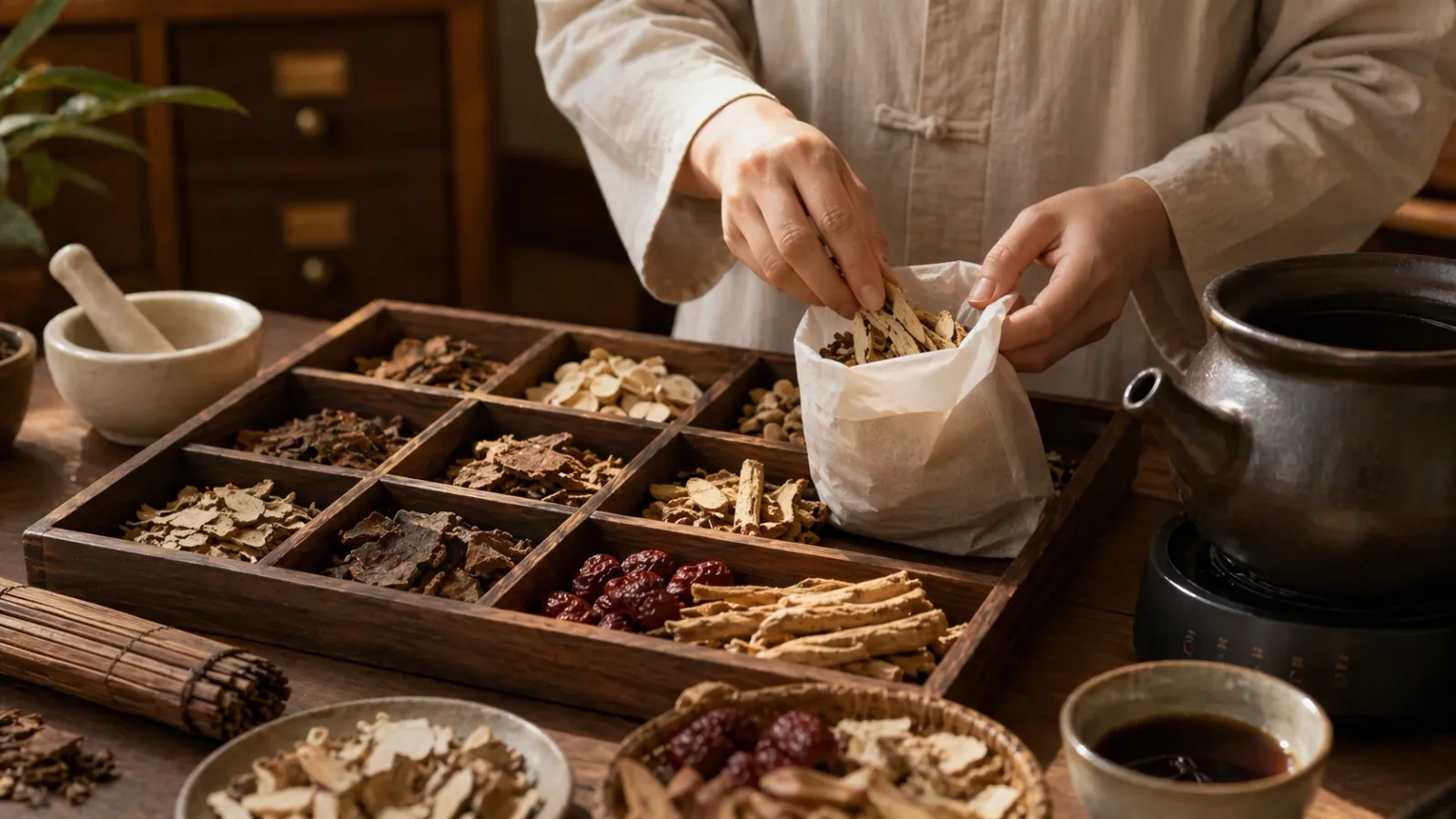
Personalized herbal medicine to support Lung energy
For Lung qi deficiency, a prescription that supports energy; for Lung yin deficiency, one that supports Lung moisture; for Spleen-Lung issues, one that supports both digestion and the Lung — each composed differently by constitution. We do not give the same prescription for the same cough.
Herbal medicine
Acupuncture stimulating the Lung and Stomach meridians
We add acupuncture at key points that help regulate Lung energy and calm airway over-reactivity. It may help ease chronic cough and rhinitis.
Acupuncture
Moxibustion — supporting body warmth and immune function
For those with a cold body and cold hands and feet, and those especially vulnerable at seasonal transitions, moxibustion may help support the body’s warmth and defensive qi (衛氣).
Moxibustion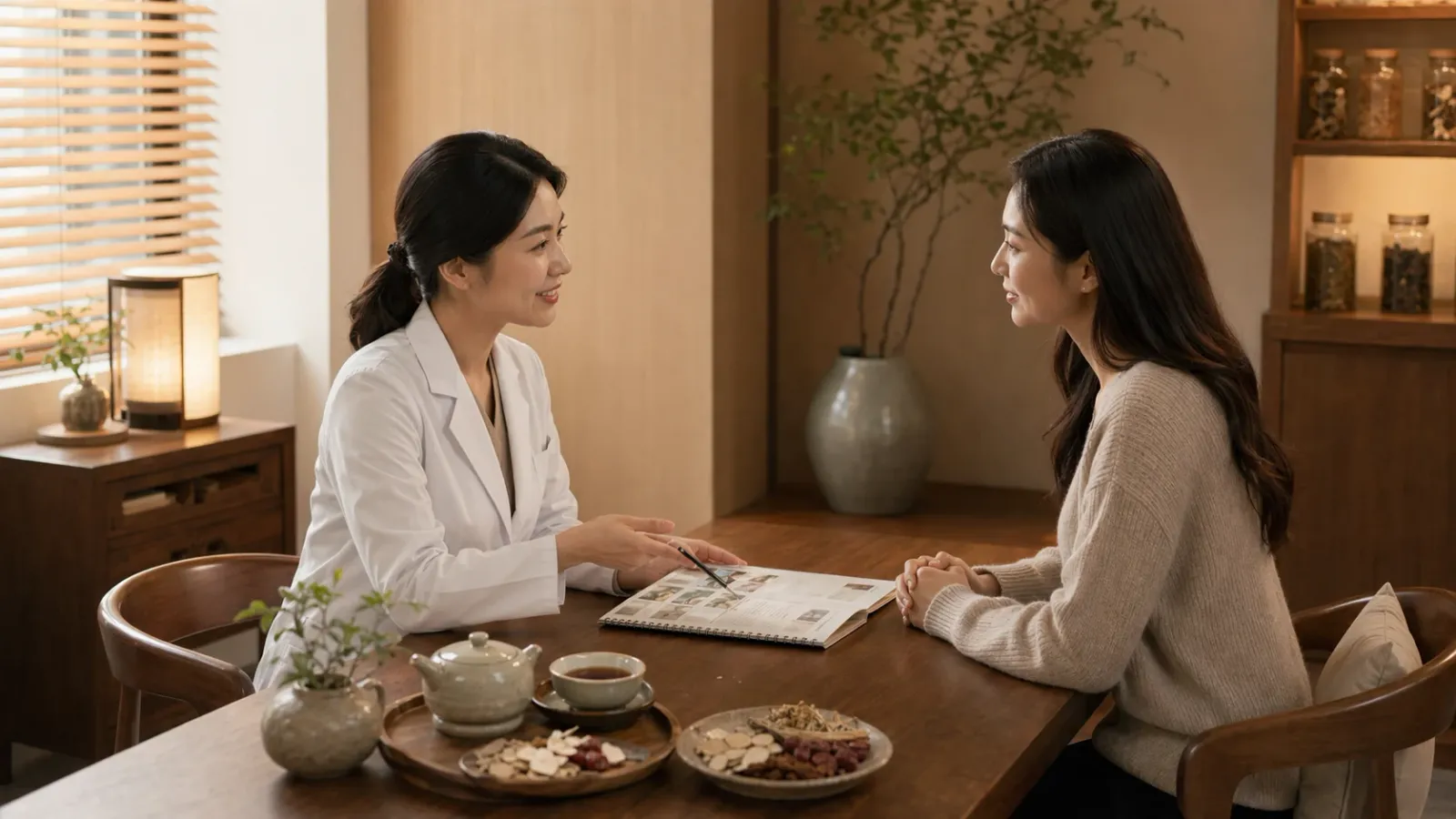
Environmental and lifestyle guidance
We review lifestyle factors that worsen respiratory symptoms — eating habits, indoor environment, sleeping posture, and ventilation. Changing daily habits alongside treatment can help reduce recurrence.
Lifestyle careSeasonal care
Respiratory health follows the seasons
For respiratory systems sensitive to seasonal change, we guide constitutional care suited to each time of year.
Spring
Managing pollen and yellow dust, with seasonal care before allergic rhinitis tends to begin

Summer
Coughing from air-conditioning chill and cold exposure, plus humidity- and mold-related rhinitis

Autumn
Worsening Lung yin deficiency from dry air, with focused care for dry cough

Winter
Bronchial constriction from the cold, with care for recurring colds associated with lowered immunity
Why HyungInJae is different
We don’t just block symptoms —
we help reduce the cycle
Conventional respiratory treatment vs. HyungInJae’s respiratory care
Conventional approach
For cough and rhinitis,
antihistamine and steroid prescriptions
HyungInJae’s approach
With blood and constitutional tests,
identify the root cause of recurrence first
Typical outcome
Brief relief on medication,
then recurrence
HyungInJae’s goal
Support the body’s defenses
to help reduce the recurrence pattern
Limitation
For every patient,
the same prescription, repeated
HyungInJae’s direction
By constitution, by pattern —
a tailored prescription

Our care philosophy
Respiratory symptoms can signal that the body’s line of defense has weakened.
Before focusing only on blocking symptoms, that defense needs support.
— HyungInJae Korean Medicine Clinic, care philosophy