Key points
When swelling, wrist pain, and fatigue linger after childbirth, we separate the causes. What to record within the first 100 postpartum days, and how HyungInJae approaches chuna, postpartum herbal medicine, and placenta pharmacopuncture.
- When Postpartum Swelling, Wrist Pain, and Fatigue Won’t Fade: What to Track Before Your Consultation
- Why we treat the first 100 days as a key window
- Swelling, the wrist, and fatigue have different causes
- How HyungInJae approaches the postpartum period
- Before your postpartum consultation, track these four things
When Postpartum Swelling, Wrist Pain, and Fatigue Won’t Fade: What to Track Before Your Consultation
.ez-toc-title{font-size:0!important}.ez-toc-title::after{content: “Table of Contents”;font-size:16px}
.gb-text-2bcfde2b{font-size:0!important}.gb-text-2bcfde2b img{display:none!important}.gb-text-2bcfde2b::after{content: “✍🏻 by Dr. Hong Myeong-hwi, Chief Physician”;font-size:16px}
A mother about two months after giving birth told me this last week.
“The swelling won’t go down, my wrist keeps aching, and no matter how much I sleep I’m still exhausted.”
She named three things at once, but I don’t treat them as one problem.
Swelling, wrist pain, and fatigue can each have different causes.
So postpartum care is less about “which one to endure” and more about “which one to look at separately.”
Why we treat the first 100 days as a key window
Childbirth welcomes a new life, but it leaves large changes in the mother’s body.
During pregnancy the pelvis widens to make room for the baby, and the ligaments loosen.
After delivery, the pelvis does not return to its original position as easily as people assume.
In this state, nursing, carrying the baby, and sleep loss repeat day after day.
In other words, the joints and muscles take on extra load exactly when the body is at its weakest.
I treat roughly the first 100 days after birth as a reference point for recovery.
How this window is spent can decide whether later joint pain, pelvic imbalance, and chronic fatigue pass quickly or linger.
That said, passing 100 days does not mean it is too late. What matters more than the starting point is your body’s current state.
Swelling, the wrist, and fatigue have different causes
Lumping the three symptoms together blurs the direction of care.
- Swelling is often tangled up with circulation, fluid metabolism, and a drop in energy.
- Wrist pain is usually tenosynovitis, brought on by holding the baby all day and repeating the same nursing posture.
- Fatigue connects to a state where the qi and blood spent during delivery haven’t been replenished.
In practice, many postpartum mothers come in for wrist and shoulder pain.
When they do, I don’t look only at where it hurts. I also check which arm they mainly hold the baby with, and whether the nursing posture leans to one side.
Once the causes are separated, we can tell apart what can wait and what needs attention now.
How HyungInJae approaches the postpartum period
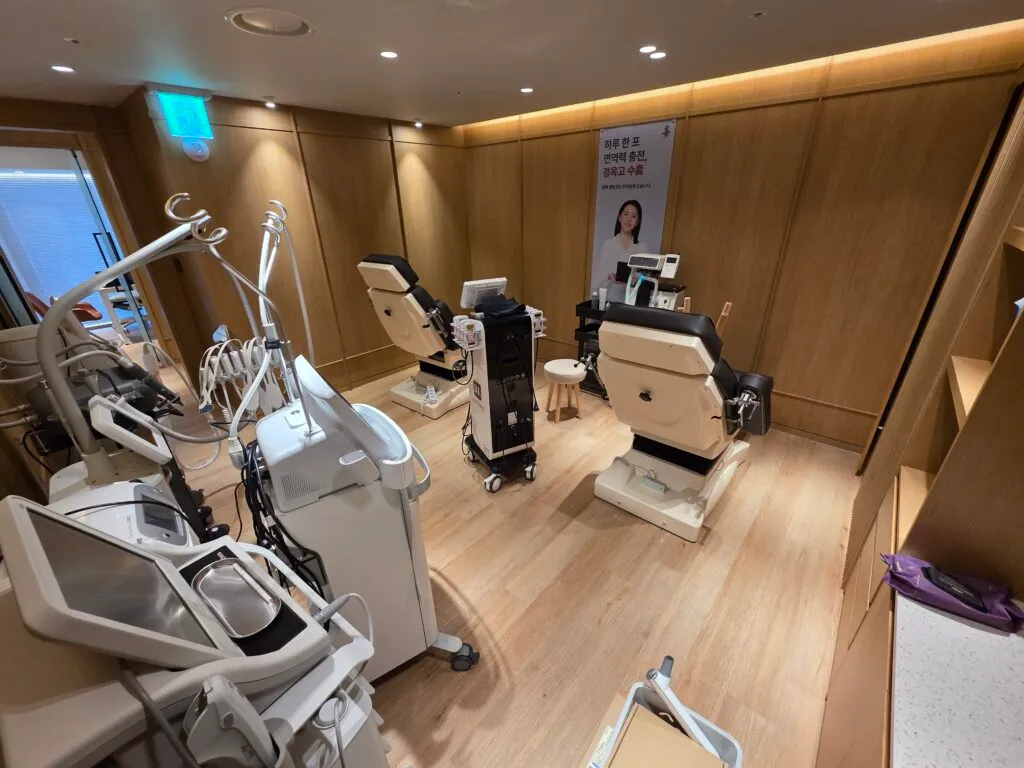
HyungInJae Korean Medicine Clinic looks at postpartum care through three axes: chuna, postpartum herbal medicine, and placenta pharmacopuncture.
Chuna is a manual therapy that restores the balance of the pelvis and spine that widened and shifted during delivery. It is a hands-on process of guiding things back into place.
Postpartum herbal medicine is not simply about “tonifying the body.”
We first confirm the current state through a constitution interview, InBody, and pulse, abdominal, and tongue diagnosis, and prescribe accordingly.
Here I want to be clear about my standard: an herbal formula is not a better treatment for being taken longer.
For as long as needed, and no longer.
Placenta pharmacopuncture can be applied directly to painful areas to aid recovery; when there is no specific painful area, it may be given subcutaneously to support energy, immunity, and whole-body recovery.
Before your postpartum consultation, track these four things
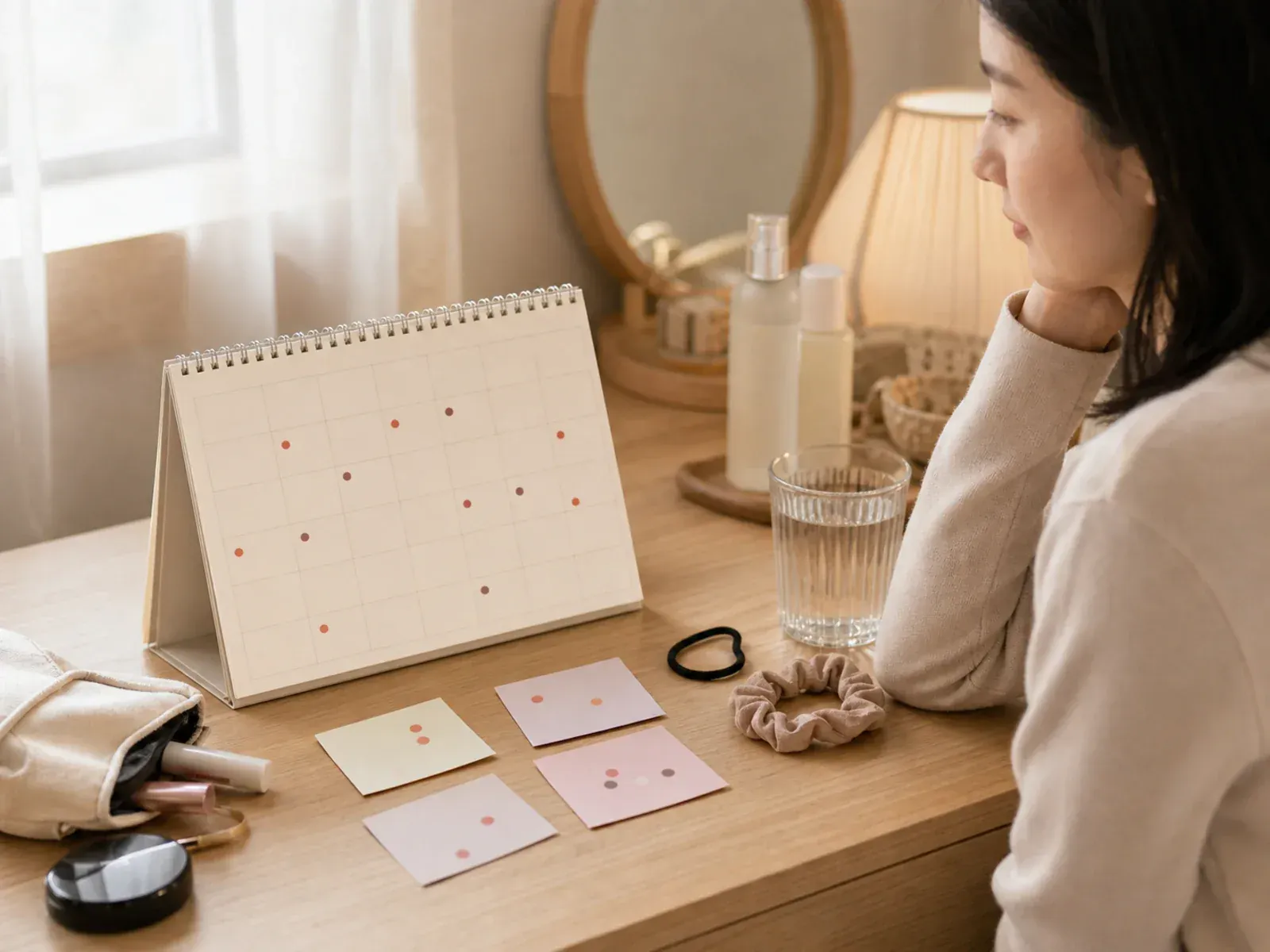
What makes a consultation more precise is, in the end, the mother’s own record.
- How the swelling changes over a day — worse in the morning or evening? In the face, hands, or feet?
- Wrist and shoulder pain — which hand? The same side as the arm you mainly hold the baby with?
- Sleep and fatigue — how many times you wake to nurse, and whether sleep leaves you unrecovered.
- Delivery method and course — vaginal birth or C-section, and how far the incision has healed.
Postpartum herbal medicine can begin right after delivery.
With a C-section, however, it is better to start after confirming how the incision has healed, and the right timing differs from person to person, so we decide it in an individual consultation.
Even just bringing these four notes lets the consultation start far more concretely about how to view the swelling, the wrist, and the fatigue each on its own.

This article is general health information and does not replace a personal diagnosis. If symptoms persist or worsen, please see a doctor.
About our doctor