Key points
- Fast weight loss and long fasting can be linked to gallstone risk, so we review both your eating and how quickly you are losing weight.
- For upper right abdominal pain, note where it hurts, when it started, how long it lasted and any other symptoms, then get a medical exam to find the cause.
- If you have sudden severe pain, fever, chills or jaundice, do not wait. Get emergency care.
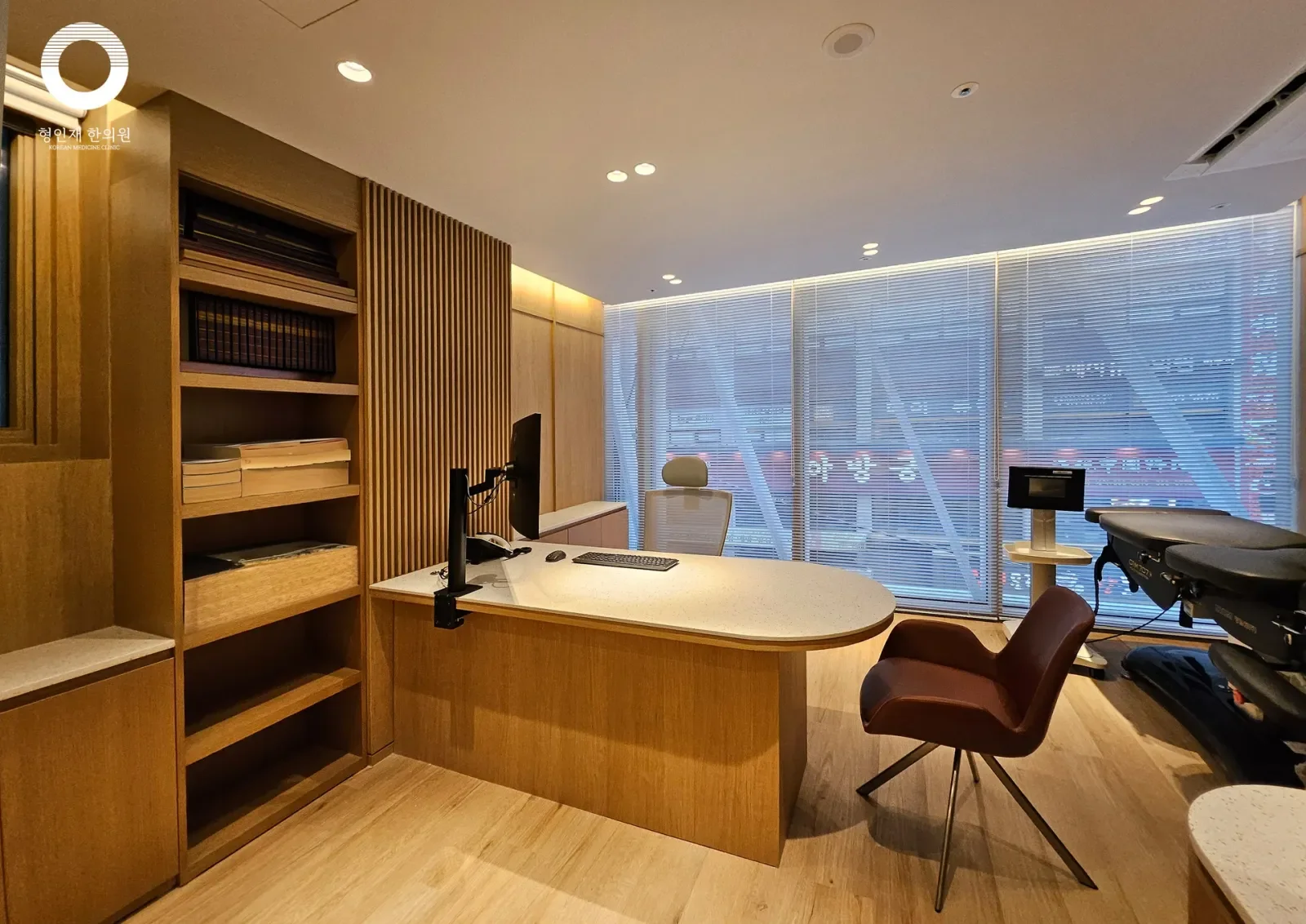
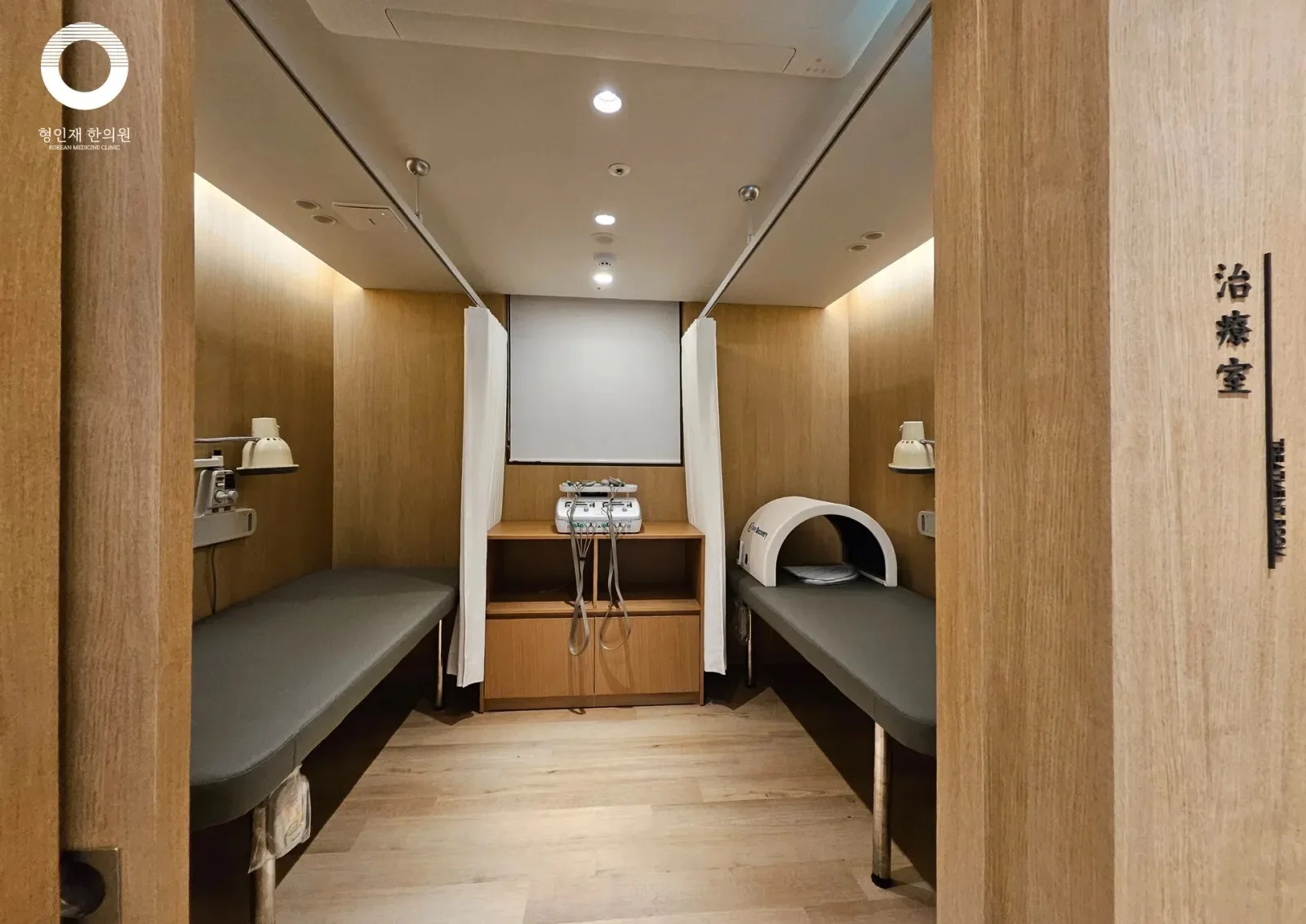
Hello, I'm Dr. Hong Myeong-hwi, Chief Physician at Hyunginjae Korean Medicine Clinic near Gangnam Station Exit 4.
If you are losing weight and feel pain in your upper right belly after meals, it may not just be your body adjusting to a new diet. Start by looking at where it hurts and how long the pain lasts.
I don't only ask how fast you are losing weight. I also look at how long you have been skipping meals, what medicines you have taken recently, any past gallstone diagnosis and the pattern of your pain. Then I guide you to the medical evaluation you need first.
When weight drops fast, check your gallbladder too
The gallbladder is a small organ. It stores bile made by the liver and releases it to help digestion. If you lose weight very quickly or go without food for long periods, the makeup of your bile and the way your gallbladder empties can change.
Fast weight loss can raise the chance of gallstones. But losing weight does not mean everyone will get them. A risk factor is not the same as an actual diagnosis.
Rather than skipping meal after meal to lose a lot in a short time, tell your doctor how much you are eating now and how your weight loss is going. We do not set the same weekly weight-loss goal or fat intake for everyone.
Keep a record of when the pain happened
Write down whether the pain is below your right ribs or near the pit of your stomach. Note when it started in relation to meals and how long it lasted. Also record any nausea, vomiting or pain spreading to your back.
Gallstone-related pain can last longer than 30 minutes and sometimes several hours. If abdominal pain lasts 30 minutes or more, get medical care quickly. If the pain is suddenly severe, don't wait for 30 minutes to pass.
Belly pain has many possible causes besides the gallbladder. I don't confirm gallstones from a description of symptoms alone or start by adding herbal medicine. When needed, I guide you to proper tests, such as blood tests or an abdominal ultrasound.
Fever, chills or jaundice? Get medical care before any weight-loss consultation
If you suddenly have severe belly pain, fever or chills, or jaundice (yellowing of the skin or the whites of the eyes), get emergency care right away. In Korea, you can call 119 when you need help.
Pain that spreads to your back along with vomiting also needs immediate evaluation. If the pain is very severe, don't wait, even without vomiting. If you feel unwell, do not drive yourself.
Tell your care team the names of any weight-loss prescriptions, herbal medicines or supplements you take, and when you started or changed them. Don't take more medicine or change your dose on your own to cover up symptoms. Explain exactly what you are taking to the place treating you.
We adjust your weight-loss plan after your symptoms are evaluated
Gallstones found by chance on a test that cause no symptoms may be managed differently from those that cause pain or complications. We don't choose the same treatment for everyone just because gallstones were seen.
Don't eat lots of oil to empty your gallbladder, and don't try unproven gallstone flushes. If certain foods keep triggering pain, write down what you ate and how much. Then we can plan your meals based on your test results.
At Hyunginjae Korean Medicine Clinic, we review your eating, your digestion and your weight-loss progress together. We do not promise that acupuncture or herbal medicine will remove gallstones. We first connect you to the medical care you need, then adjust any overly harsh weight-loss approach.
For consultations about eating and digestion during weight loss, and for visit information, please see the consultation and booking page on our website.
This article is general health information. It does not replace an individual diagnosis or treatment plan. Please have the cause of your symptoms and the right treatment confirmed by a medical professional.
This was Dr. Hong Myeong-hwi, Chief Physician at Hyunginjae Korean Medicine Clinic Gangnam (Acupuncture Hyunginjae Gangnam Diet Korea).
Consultation is available in English, Japanese, and Chinese.
Parking: a parking elevator is available inside the building. For SUVs and large sedans, please contact us before your visit.
For appointments, please contact us by phone or through our website.
2F–3F, 20 Yeoksam-ro 1-gil, Gangnam-gu, Seoul
tel. +82-2-540-8875

This article is general health information and does not replace a personal diagnosis. If symptoms persist or worsen, please see a doctor.
About our doctor