Key points
- Burning more fat during a workout does not mean you will lose more body fat over time.
- Instead of focusing only on whether you have eaten, look at when you can actually exercise consistently and how you eat afterward.
- If you take medication or feel dizzy or have a racing heart, avoid pushing through fasted exercise and talk with your healthcare provider.
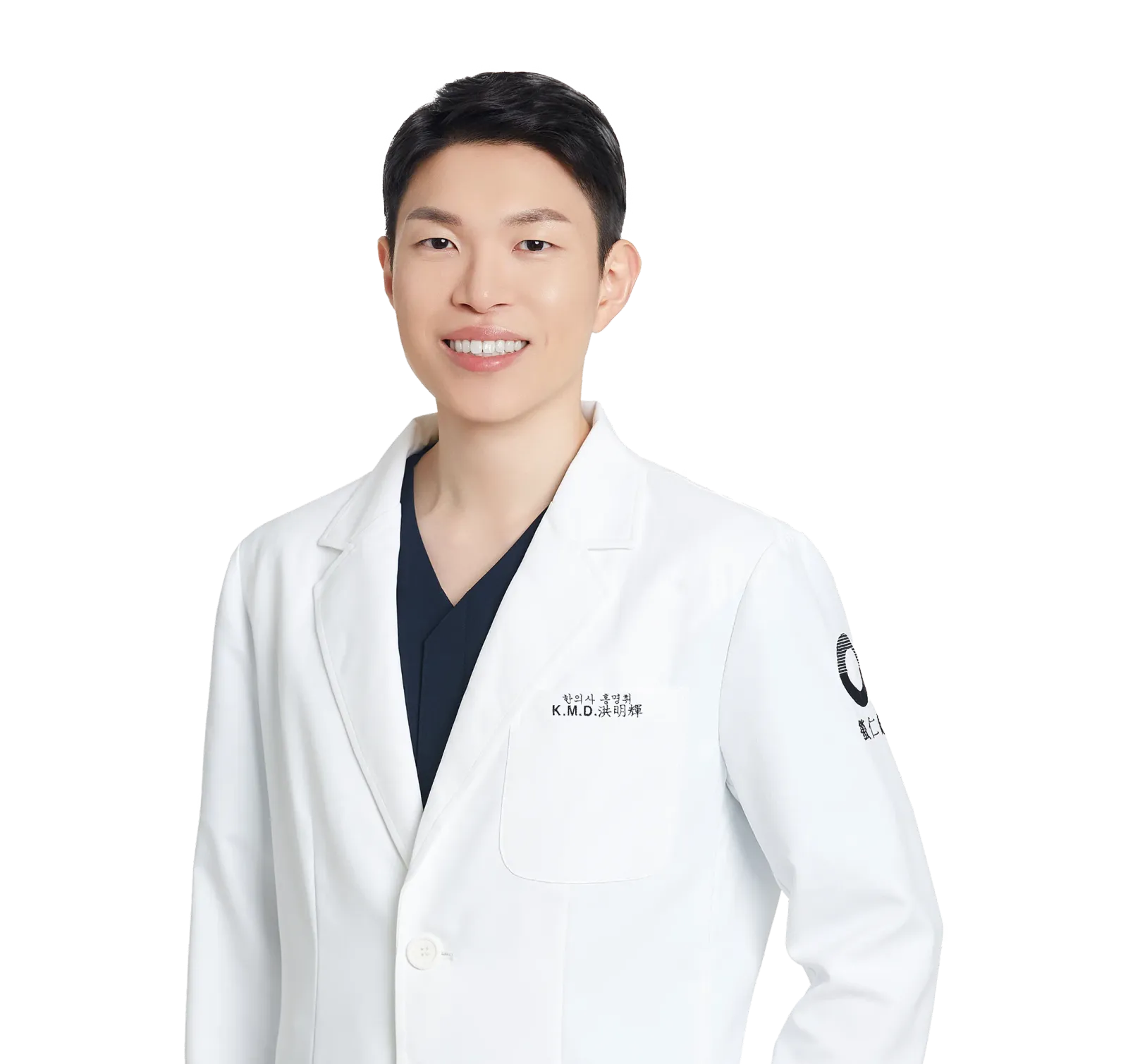
Hello, I'm Dr. Hong Myeong-hwi of Hyunginjae Korean Medicine Clinic, near Gangnam Station Exit 4.
Do you walk in the morning without eating anything, then run out of energy before lunch and keep putting off your workouts? Sticking to a fasting window is not the same as exercising consistently.
Before I ask when you exercise, I ask how many times a week you can realistically make time for it. Whether you can keep it up matters more than whether your stomach is empty.
The fuel you burn during exercise is not the same as body fat change
How much fat your body uses for energy during a fasted workout and how your body changes over several weeks are two different measures. They need to be looked at separately. The fuel used in a single session cannot promise any weight-loss result.
In a small study, 20 healthy young women exercised for four weeks while controlling how much they ate. Researchers found no significant difference in changes to body weight or body fat between those who exercised fasted and those who exercised after eating. Because it was a small, short-term study, this does not mean everyone will see the same result.
That is why I look at how often you actually exercised and how you ate afterward, rather than how long you held out without food. I don't judge by just one factor.
Start by finding a time you can stick with
If insisting on busy workday mornings means you keep skipping workouts, consider another time, such as lunch or evening. Your schedule is the starting point. For example, write down the days you actually walked this week, what time you started, and why you stopped if it got too hard.
If you feel weak on an empty stomach but move more comfortably after a light meal, let us know during your consultation. We will also check whether you feel any discomfort right after eating. The most comfortable gap between eating and exercise depends on how much you eat, how hard you exercise, and any health conditions you have, so we do not push one fasting window on everyone.
Along with your workout times, try noting how you slept the night before and when hunger tends to hit after exercise. Knowing what gets in your way makes it easier to plan next time than repeating a plan that is hard to follow.
Plan your meals after exercise, too
There is no need to force yourself to skip your next meal just because you worked out. Meals are part of the plan, too. Think about how to build your usual meals around protein foods like eggs, tofu, and fish. Any dietary limits due to allergies or health conditions come first.
On the other hand, if sweet drinks or snacks creep up on the days you exercise, write that down as well. Rather than guessing how many calories you burned and eating to match, look back at your whole day of eating and how your body responded.
Body weight also shifts with water and how and when you weigh yourself. Don't decide your workout was wasted based on one day's number, and don't use it as a reason to cut your food even more.
Check medications and heart palpitations before your exercise plan
If you take diabetes medication or use insulin, talk with your healthcare provider about the risk of low blood sugar before exercising on an empty stomach. Check your medications first. Do not lower your dose on your own or change when you take it because of exercise.
Please also tell us about all medications and supplements you take, including herbal medicine. If you get cold sweats, shaking, dizziness, or a racing heart during exercise, do not push through thinking it is a sign of burning fat. Stop and get checked. Chest pain, fainting, or severe shortness of breath are signs that you need medical care right away.
At Hyunginjae Korean Medicine Clinic, we listen to your exercise plans along with your eating, sleep, and digestion. If you tell us about your daily life and health, we will work with you to sort out what to check before you follow any strict fasting rules.
For consultations on exercise and eating habits and visit information, please see the consultation and booking page on our website.
This article provides general health information and does not replace an individual diagnosis or treatment plan. Please have a healthcare provider evaluate the cause of your symptoms and the right treatment.
This was Dr. Hong Myeong-hwi, Chief Physician at Hyunginjae Korean Medicine Clinic Gangnam (Acupuncture Hyunginjae Gangnam Diet Korea).
Consultation is available in English, Japanese, and Chinese.
Parking: a parking elevator is available inside the building. For SUVs and large sedans, please contact us before your visit.
For appointments, please contact us by phone or through our website.
2F–3F, 20 Yeoksam-ro 1-gil, Gangnam-gu, Seoul
tel. +82-2-540-8875
This article is general health information and does not replace a personal diagnosis. If symptoms persist or worsen, please see a doctor.
About our doctor