Key points
- Inositol is not a supplement that every person with PCOS needs to take.
- Before choosing it, understand the evidence on ovulation, weight and pregnancy, and the uncertainty around dose and formulation.
- Keep a record of your periods and the products you take, and do not delay OB-GYN care or treatment you are already receiving.
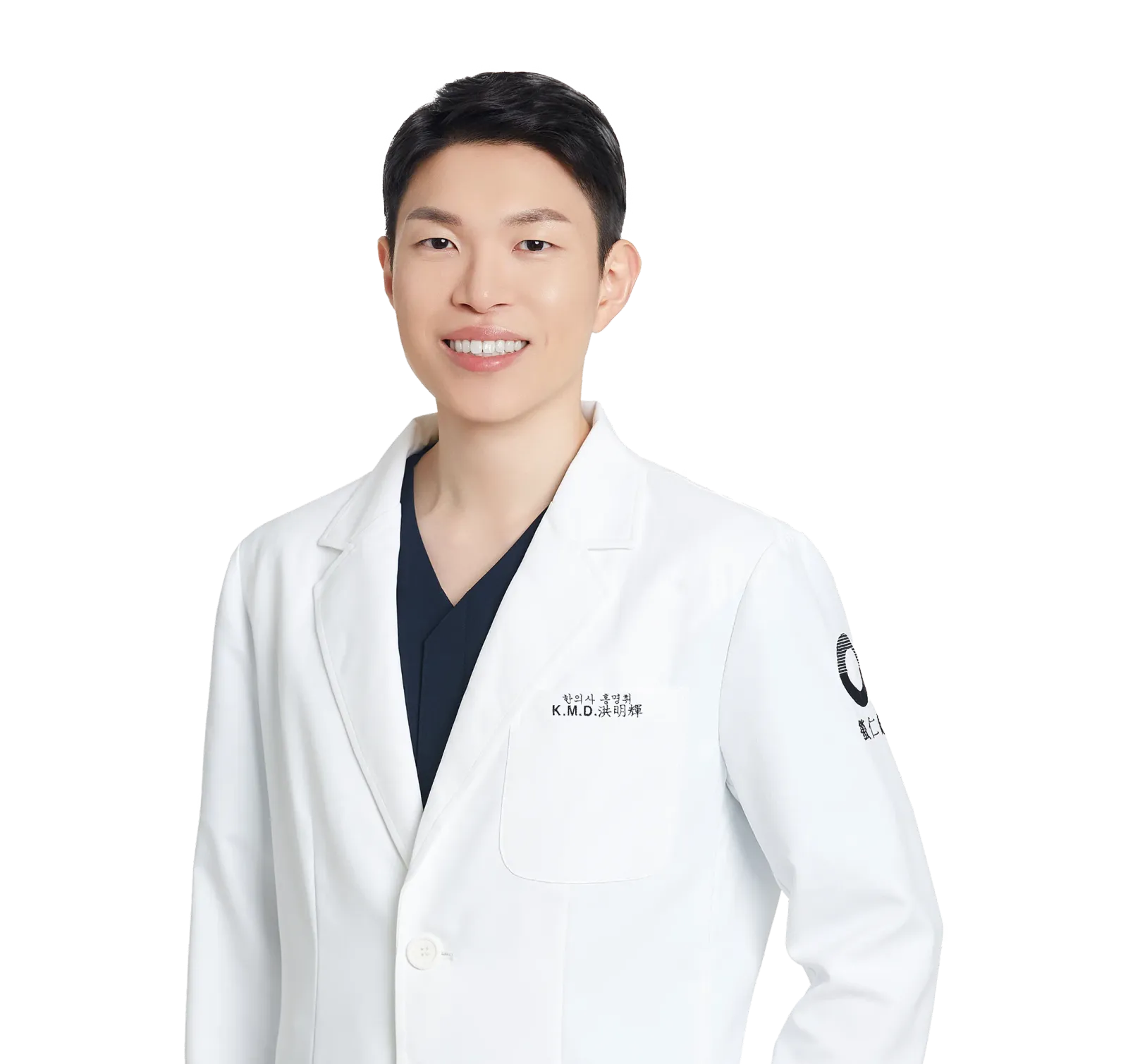
Hello, I'm Dr. Hong Myeong-hwi, Chief Physician at Hyunginjae Korean Medicine Clinic near Gangnam Station Exit 4.
After a PCOS (polycystic ovary syndrome) diagnosis, many people search for supplements and keep running into inositol. Comparing product after product, it can start to feel like you are falling behind if you don't take it. But it is not something everyone needs.
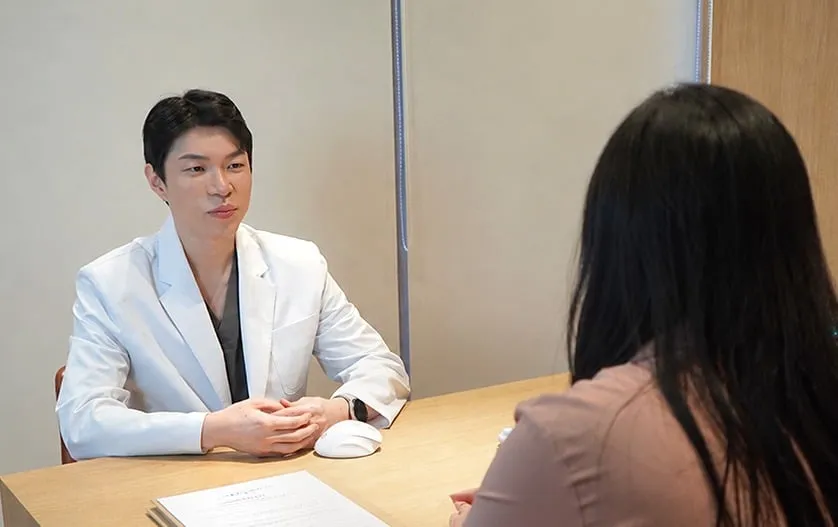
Before we talk about any product, I ask about your menstrual cycle, how you were diagnosed, what medications you take and whether you plan to get pregnant. I also ask what you hope a supplement will change: your periods, your blood sugar or your weight.
Lab results and symptoms are different outcomes
Inositol is a substance involved in how cells send signals. It gets attention in PCOS because of research on how insulin works. But a change in insulin-related numbers is a different outcome from your periods, ovulation or weight improving as much as you hope.
International guidelines say inositol can be considered based on personal preference. They also note that evidence for clinical benefits, such as ovulation, excess hair growth or weight, is limited. There is not enough high-quality evidence to recommend any specific type, dose or combination for everyone.
Don't judge which product is better based only on the ratio of myo-inositol to D-chiro-inositol or how much it contains. Taking more does not guarantee better results. Bringing the product label and the amount you actually take each day to your visit helps us review it.
If you're trying to conceive or your period is late, see a doctor first
If you also have trouble getting pregnant, the evidence for using inositol as a fertility treatment is still uncertain. Don't put off ovulation or fertility testing while taking a supplement. It also cannot be called a pregnancy-prep supplement that is safe for everyone.
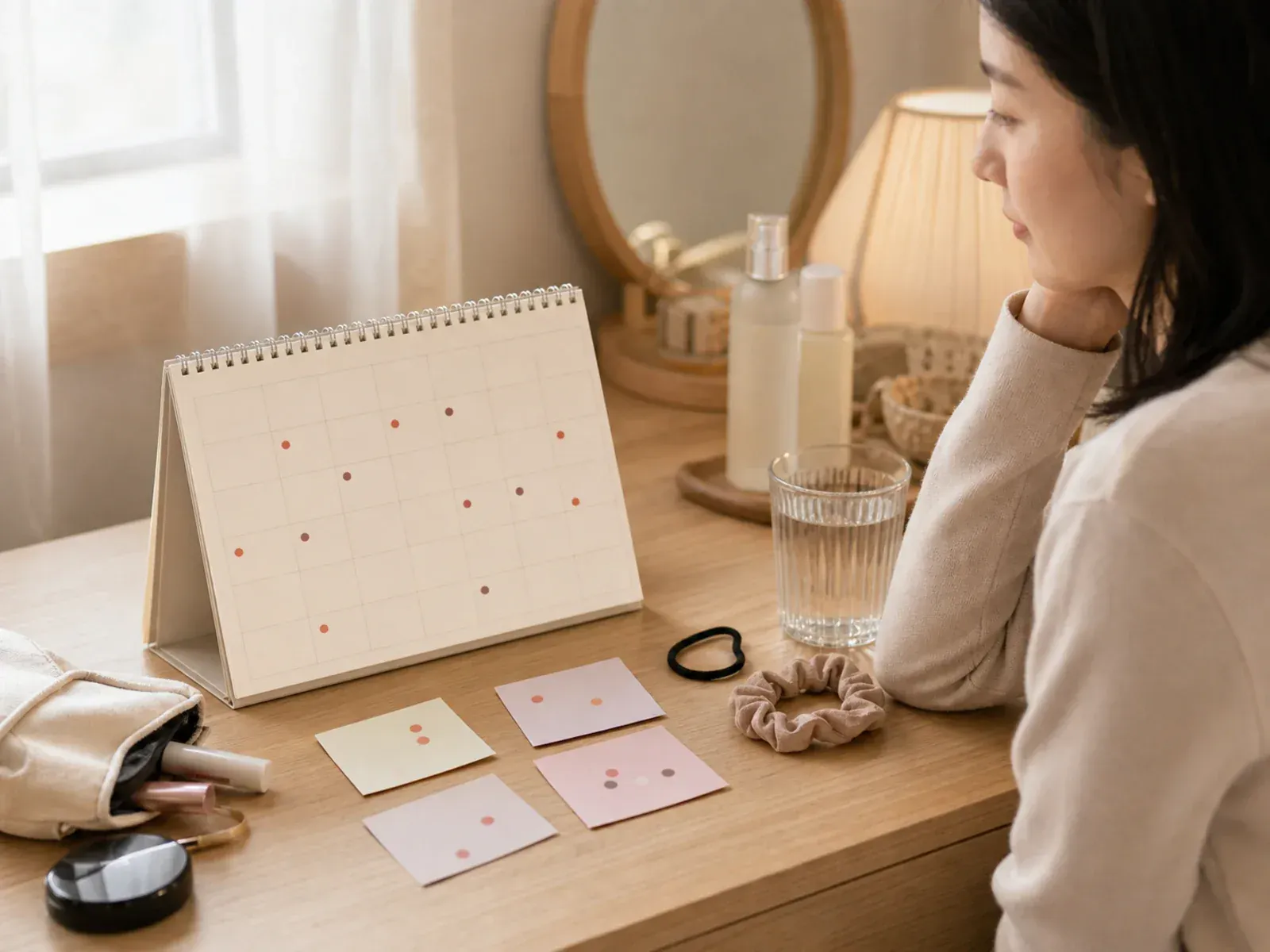
Use a calendar to note the day each period starts, the length of your cycles, how your bleeding looks and the date of your last period. If you could be pregnant and your period is late, check for pregnancy first. If you have gone a long time without a period or your bleeding has changed, see an OB-GYN for an evaluation.
PCOS can happen in people with a slim build, too. We do not diagnose it or set care goals based on weight alone. I review the tests and care you have already had, and if more evaluation is needed, I will point you to the right specialist.
Put supplements, prescriptions and herbal medicine on one list
Tell us about everything you take, not just inositol. That includes vitamins and multi-ingredient supplements, prescription drugs such as birth control pills or metformin, and herbal medicine. Ingredients and amounts vary from product to product, so we need to check that you are not doubling up on the same ingredient.
Don't replace a prescription with a supplement, and don't cut back on your own. If you are planning a pregnancy, are pregnant or are breastfeeding, review the need for and safety of every product, including herbal medicine, with your care team. There is no blanket answer that it is fine to take everything together.
If you feel unwell after starting something, write down the start date, your symptoms and the dose, and let your care provider know. If you keep switching products or adding several at once, it becomes hard to tell which one is linked to which change.
Build a lifestyle plan you can keep up longer than any supplement
Eating regular meals, moving in a way that suits your body and paying attention to sleep all matter, whether or not you choose a supplement. Having PCOS is not a reason to skip meals or to follow the same weight-loss target as everyone else.
Lifestyle care can benefit your health even if your weight doesn't drop right away. Before your visit, jot down your meal times on weekdays and weekends, your activity, your sleep and your period record. Together, we'll start with changes you can actually make.
At Hyunginjae Korean Medicine Clinic, we look at your eating habits, daily rhythm and current treatment together. We do not promise improvements in periods, ovulation or pregnancy outcomes from acupuncture or herbal medicine. Alongside any OB-GYN care you need, we discuss a plan that fits your individual condition.
For women's health consultations and visit information, please see the consultation and booking page on our website.
This article is general health information. It does not replace an individual diagnosis or treatment plan. Please have the cause of your symptoms and the right treatment confirmed by a medical professional.
This was Dr. Hong Myeong-hwi, Chief Physician at Hyunginjae Korean Medicine Clinic Gangnam (Acupuncture Hyunginjae Gangnam Diet Korea).
Consultation is available in English, Japanese, and Chinese.
Parking: a parking elevator is available inside the building. For SUVs and large sedans, please contact us before your visit.
For appointments, please contact us by phone or through our website.
2F–3F, 20 Yeoksam-ro 1-gil, Gangnam-gu, Seoul
tel. +82-2-540-8875
This article is general health information and does not replace a personal diagnosis. If symptoms persist or worsen, please see a doctor.
About our doctor