Key points
- Eating breakfast alone does not guarantee weight loss.
- Logging your first meal time, lunch portion, and afternoon snacks together can help you see your eating pattern.
- If you use diabetes medication or insulin, don't change your fasting window on your own.
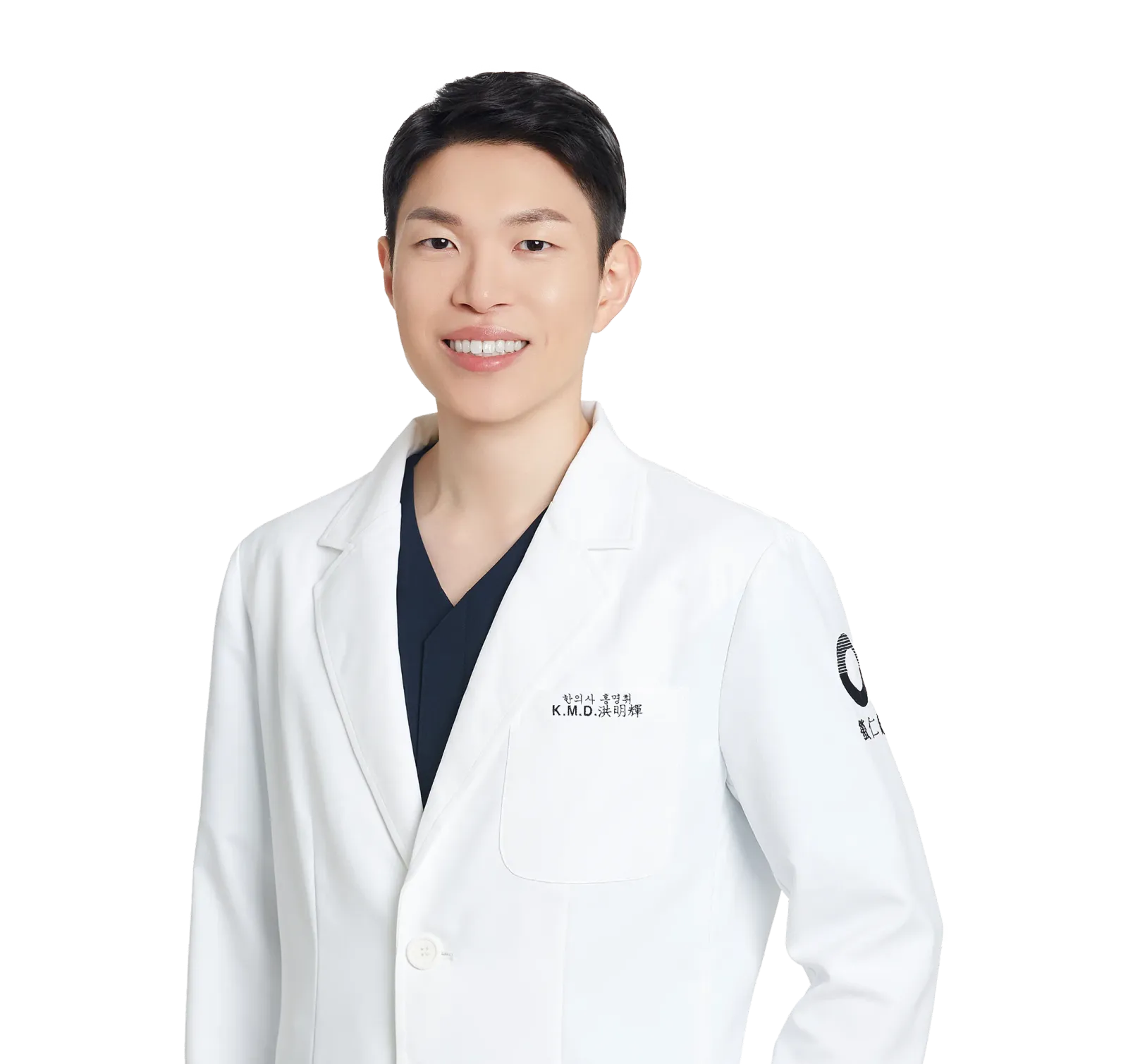
Hello, I'm Dr. Hong Myeong-hwi, Chief Physician of Hyunginjae Korean Medicine Clinic at Gangnam Station Exit 4.
Do you skip breakfast, then eat more at lunch and reach for cookies or a sweet drink around 4 p.m.? Cutting back on breakfast is not the same as eating less over the whole day.
Along with the number on the scale, I look at when you eat your first meal and when your hunger builds up in the afternoon. The flow of your whole day matters more than any single meal.
Blood sugar changes and weight loss are different questions
Studies on blood sugar response and studies on weight change need to be read separately. They are not the same thing. In one study of 22 people with type 2 diabetes, blood sugar rose more after lunch on days they skipped breakfast. That result can't be applied to every healthy person to the same degree.
On the other hand, a 2019 analysis of 13 randomized trials did not find evidence that adding breakfast, by itself, helps with weight loss. One limitation is that many of the studies were short.
If you feel sleepy or crave sweets after lunch, don't jump to the conclusion that you have high or low blood sugar. Symptoms alone can't tell you your blood sugar status.
Look at what happens after lunch before deciding on breakfast
Compare how much you eat in the afternoon on days you skip breakfast and days you eat it. Start by keeping a log. Write down the time of your first meal, how much you eat at lunch, your afternoon snacks, and what time you fell asleep the night before. You don't need to count calories precisely.
For example, note whether your first meal is at noon or 2 p.m., and whether bread or sugary drinks follow lunch. Rather than only checking whether you ate breakfast, I prefer to look at how your eating flows through the afternoon as well.
If breakfast is hard for you but your lunch and dinner portions are steady and you feel fine, there's no reason to force the same schedule on everyone.
Start with small meals that are easy to prepare
If making breakfast feels like a burden, start with foods you can get ready in under five minutes, like eggs boiled the night before. It doesn't have to be elaborate. Combine foods you already eat: eggs with whole-grain bread, unsweetened yogurt with nuts, or tofu with a little rice. If you have allergies or dietary restrictions, swap in foods that work for you.
If your breakfast is often just bread or juice gulped down in a hurry, look at what the meal is made of first. Add protein foods along with vegetables or whole grains, and check whether a sweet drink is taking the place of a meal.
The goal isn't simply to eat more at breakfast. It's to see how your total daily intake and afternoon hunger change.
If you take medication, check your fasting window first
If you use diabetes medication or insulin, talk with your care team before skipping meals or changing when you eat. Check your medication first. Don't reduce or stop it on your own.
If you get cold sweats, shakiness, or severe dizziness while adjusting your meals, or if you lose weight without meaning to, don't brush it off as your body getting used to fasting. Get checked to find the cause. How much you eat and which foods you choose may also need to differ depending on any existing conditions.
At Hyunginjae, we ask about your first meal and when hunger hits
At Hyunginjae Korean Medicine Clinic, we listen to more than your weight. We also ask about your meal times, sleep, and digestion. That's where a consultation begins. If you bring a log showing whether you often skip breakfast or snack a lot in the afternoon, it becomes much easier to describe your usual eating pattern.
We don't judge a prescription or treatment outcome based only on changing one meal. Please work with your care team to choose a direction that fits your lifestyle and health.
For consultations on eating habits and visit information, please see the Consultation & Booking page on our website.
This article provides general health information and does not replace individual diagnosis or treatment advice. Please have a medical professional evaluate the cause of your symptoms and the right treatment.
This was Dr. Hong Myeong-hwi, Chief Physician at Hyunginjae Korean Medicine Clinic Gangnam (Acupuncture Hyunginjae Gangnam Diet Korea).
Consultation is available in English, Japanese, and Chinese.
Parking: a parking elevator is available inside the building. For SUVs and large sedans, please contact us before your visit.
For appointments, please contact us by phone or through our website.
2F–3F, 20 Yeoksam-ro 1-gil, Gangnam-gu, Seoul
tel. +82-2-540-8875
This article is general health information and does not replace a personal diagnosis. If symptoms persist or worsen, please see a doctor.
About our doctor