Key points
- The prescription is never decided before the consultation — a constitutional consultation, body composition measurement, and pulse, abdominal and tongue diagnosis come first
- About 2 hours are set aside for the first consultation
- Only hGMP-certified herbs meeting Korea's Ministry of Food and Drug Safety standards are used, and they pass in-house ingredient and genetic testing
- Musk, agarwood and other precious herbs are obtained under CITES permits
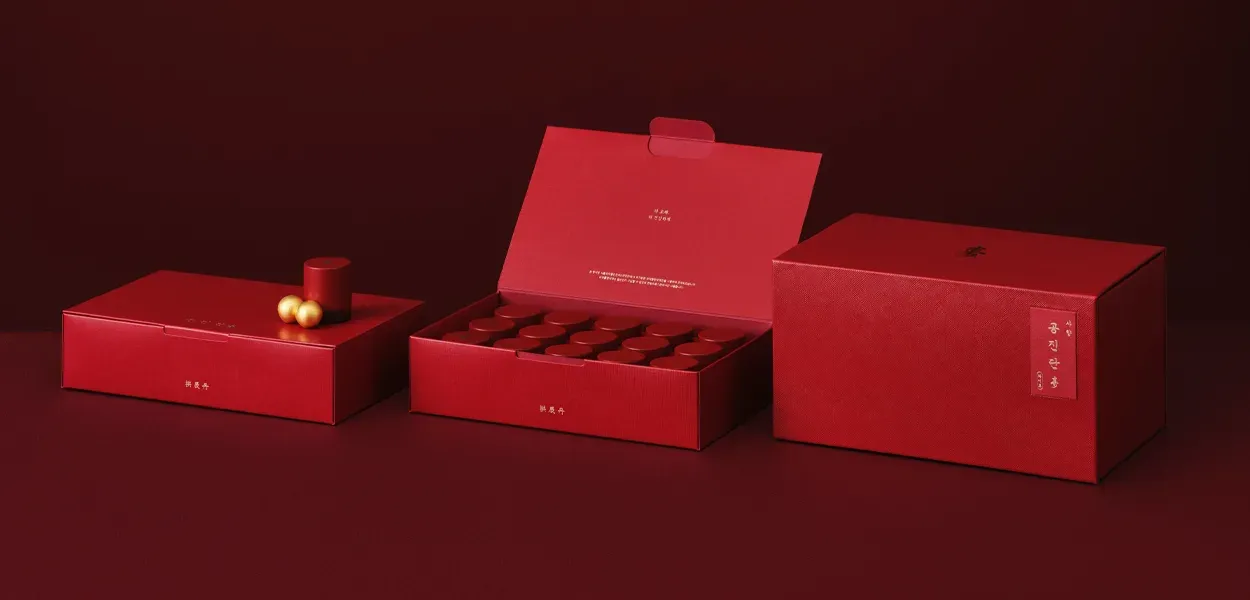
- The clinic's own-brand Gongjindan · Gyeongokgo also undergo infrared sterilization and ultra-low-temperature freezing, and are micro-ground to about 20μm
- Where in Korea can you get herbal medicine that truly fits you?
- What the diagnosis includes
- Your visit, step by step: from WhatsApp to leaving the clinic
- What is Gongjindan? What is Gyeongokgo?
- How the herbs are managed
- What you can start remotely
- Who will treat you
- Credentials and registration numbers you can verify
- Related reading
- Booking and consultation
- Getting here
Where in Korea can you get herbal medicine that truly fits you?
To judge whether a clinic can prescribe herbal medicine that truly fits you, don't look at the ingredient list. Look at what happens before the prescription.
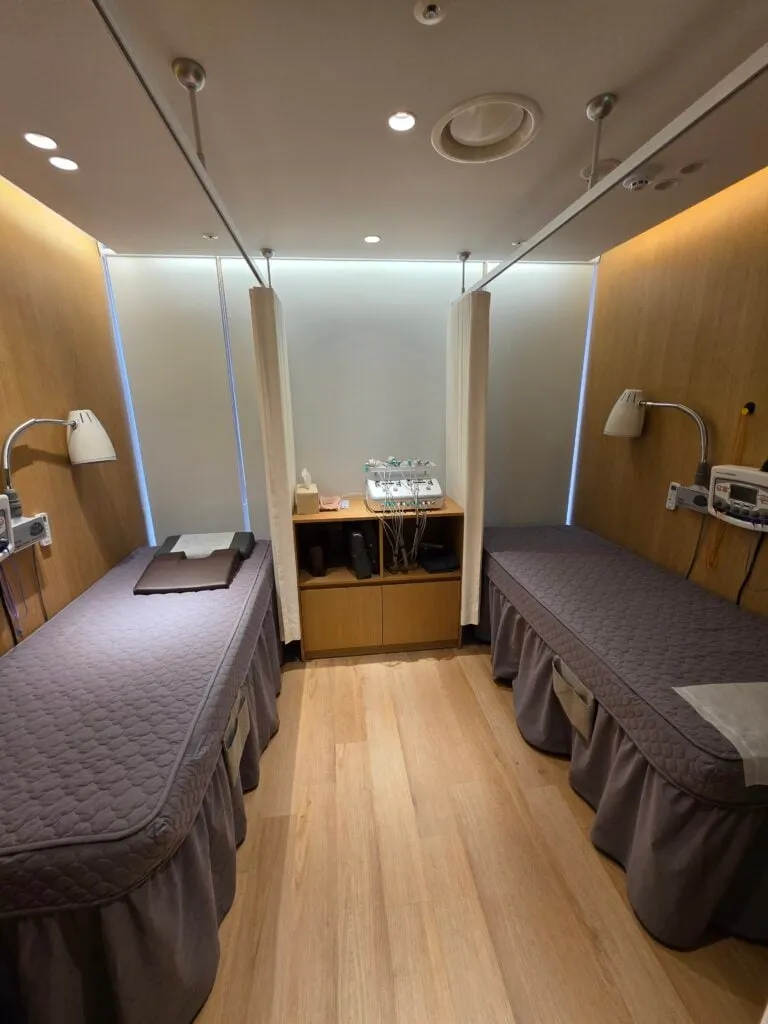
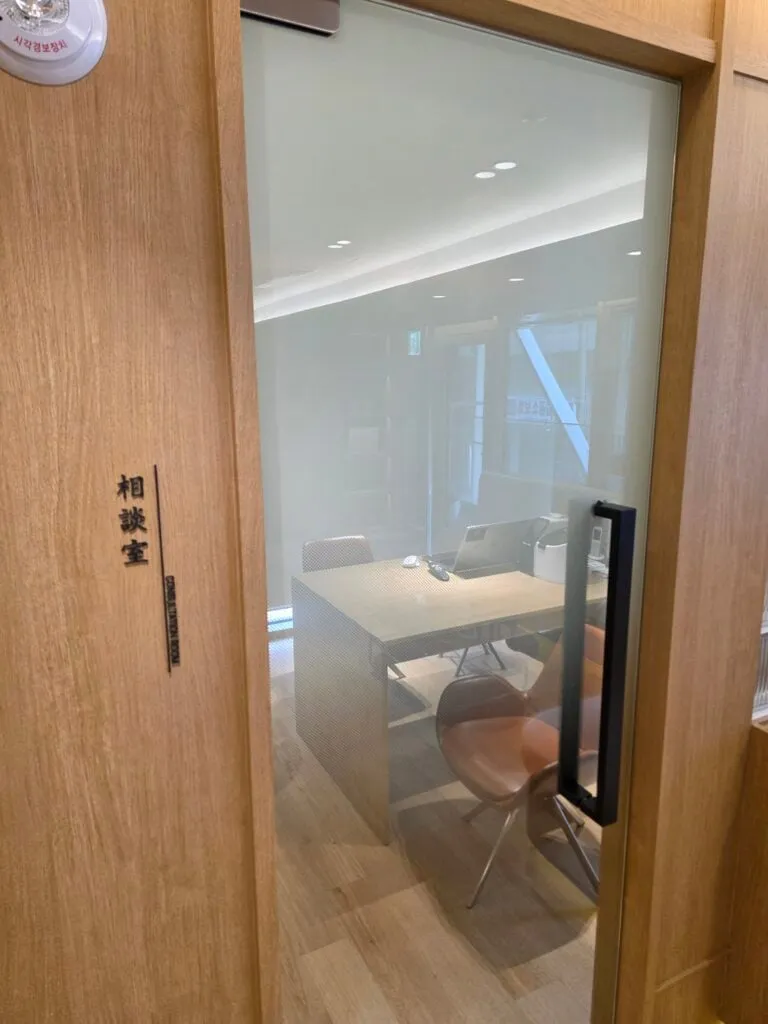
At Hyunginjae Korean Medicine Clinic, the order never changes: diagnosis first, prescription second. About 2 hours are set aside for the first visit. This covers a constitution consultation, body composition analysis, and pulse, abdominal and tongue diagnosis. Only after this diagnosis do we discuss which formula to use, how many months to take it, and what form it should come in.
So if you are comparing clinics, just ask: How long is the first visit, and what does the diagnosis include? The answer tells you more about how a prescription is made than any list of herbs.
What the diagnosis includes
| Check | What it looks at |
|---|---|
| Constitution consultation | Your background and daily rhythms: sleep, digestion, stress, menstrual cycle and any medications you take |
| Body composition analysis | What lies beyond your weight: how muscle and body fat are distributed, used as a baseline for planning care |
| Pulse diagnosis | One of the core methods of Korean medicine, used as part of assessing the state of the internal organs |
| Abdominal diagnosis | Feeling the abdomen by hand to assess digestion and circulation |
| Tongue diagnosis | Observing the tongue, also as part of the overall assessment |
All five checks are done in the same visit. You do not need to book them separately. The roughly 2 hours exist so this whole process can be completed.
Hyunginjae records your condition at each visit and compares it with the previous assessment at follow-ups. The prescription is adjusted along the way. It is not one formula used from start to finish.
Constitution-based means different people get different formulas
Two people with the same complaint may need different approaches, depending on their constitution and the state of their organs. Hyunginjae tailors each prescription to your constitution and condition. For each age group, a Korean medicine doctor first confirms whether the medicine is suitable before deciding whether you should take it.
Here is an example. Ginseng and red ginseng are warming in nature. People who tend to run hot may experience insomnia or dizziness if they take them for a long time. In Europe, the daily dose of red ginseng is limited to 2 grams. So "ginseng is good for you" depends on the person's constitution, and that is exactly where a Korean medicine doctor's judgment is needed.
Your visit, step by step: from WhatsApp to leaving the clinic
Step 1 · WhatsApp consultation
Message Hyunginjae on WhatsApp to explain your current condition and what you want to address. For some herbal medicine programs, you can fill out an online questionnaire first. The chief director then consults with you remotely and writes a prescription (see the online consultation form).
Step 2 · In-person consultation
Hyunginjae works by appointment only. About 2 hours are set aside for the first visit. This covers a constitution consultation, body composition analysis, and pulse, abdominal and tongue diagnosis. Your treatment plan and costs are set only after this step.
Step 3 · Treatment
Treatment follows the plan agreed during your consultation. For programs that need several sessions, we explain the timing and number of sessions at this stage.
Step 4 · Aftercare and after you return home
Before you leave, we go over what to watch for and when your next session should be. Once you are back home, you can contact the clinic directly through WhatsApp, LINE or our official website, with no agency in between. Results and recovery vary by individual.
What is Gongjindan? What is Gyeongokgo?
Hyunginjae offers Gongjindan and Gyeongokgo in two forms: ready-made products and versions prepared by the chief director. Both are formulas recorded in medical texts for a very long time.
| Formula | Source | Ingredients |
|---|---|---|
| Gongjindan | A widely used formula recorded in the classic medical text Shiyi Dexiao Fang (Effective Formulas from Generations of Physicians) and also cited in the Donguibogam | Musk, deer antler velvet, angelica root, cornus fruit, honey |
| Gyeongokgo | A classic restorative formula introduced at the very start of the Donguibogam | Ginseng, prepared rehmannia root, white poria, honey |
One point to be clear about: neither is a single herb. Each is a formula that combines several herbs to balance their effects. So you cannot decide whether one suits you just because "it contains ginseng" or "it contains musk." The formula as a whole is what gets assessed, not the individual herbs.
Hyunginjae has its own Gongjindan · Gyeongokgo brand, and the standards refined for that line carry over to the prescriptions in its Korean medicine care (see Gongjindan · Gyeongokgo).
What to check when getting these herbal medicines in Korea
Don't judge by the packaging. Look at three things you can verify:
- Herb certification — Are the herbs hGMP-certified, and have they been tested for their components?
- Legal sourcing of precious herbs — Musk and agarwood are regulated under CITES. Were they obtained with a permit?
- How the prescription is made — Is it written after a consultation, rather than sold straight off the shelf in fixed packages?
You can ask to check all three on the spot. You don't have to take anyone's word for it.
How the herbs are managed
Hyunginjae is specific about what it discloses regarding its herbs:
- We use only herbs that meet the Korean Ministry of Food and Drug Safety's standards for manufacturing and managing quality herbal materials and that are hGMP-certified
- We use herbs that have passed our in-house component and genetic testing
- Precious herbs such as musk and agarwood are used only when obtained with a permit under the Convention on International Trade in Endangered Species (CITES)
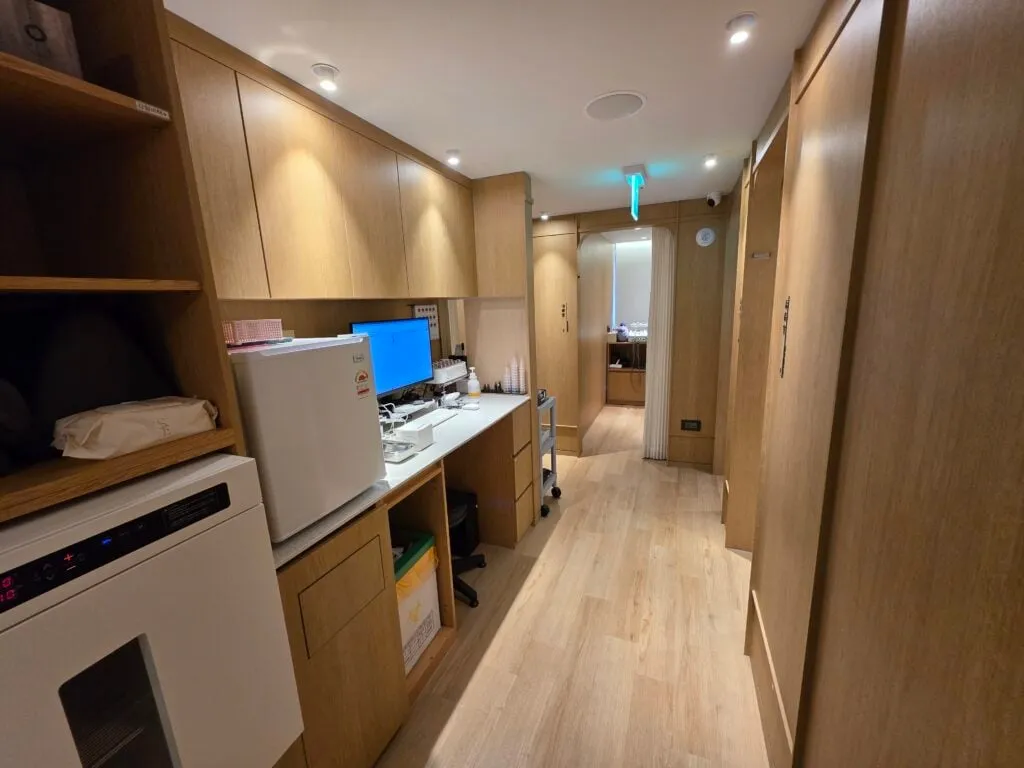
- Our own Gongjindan · Gyeongokgo brand follows even stricter processes. The herbs are thoroughly washed and sterilized at every stage. Hygiene is managed through infrared sterilization and ultra-low-temperature freezing to a standard stricter than the Ministry of Food and Drug Safety requires. The herbs are finely ground to about 20μm, which makes them easy to take and helps the body absorb them
One more question we hear often: herbal medicine is made from natural herbs and contains no chemical ingredients such as steroids or antihistamines.
We list all this in detail because every point is something you can ask the clinic to verify. These are not marketing lines.
What you can start remotely
Weight-loss herbal medicine can be started online. First, fill out the online questionnaire (7 steps, the same content as the in-clinic questionnaire). The chief director then consults with you remotely and writes a prescription (see the online consultation form). You can begin this part even while you are outside Korea.
Just keep in mind: what can be done remotely is the consultation and prescription. At Hyunginjae, pulse, abdominal and tongue diagnosis and body composition analysis are done during your in-person visit.
Who will treat you
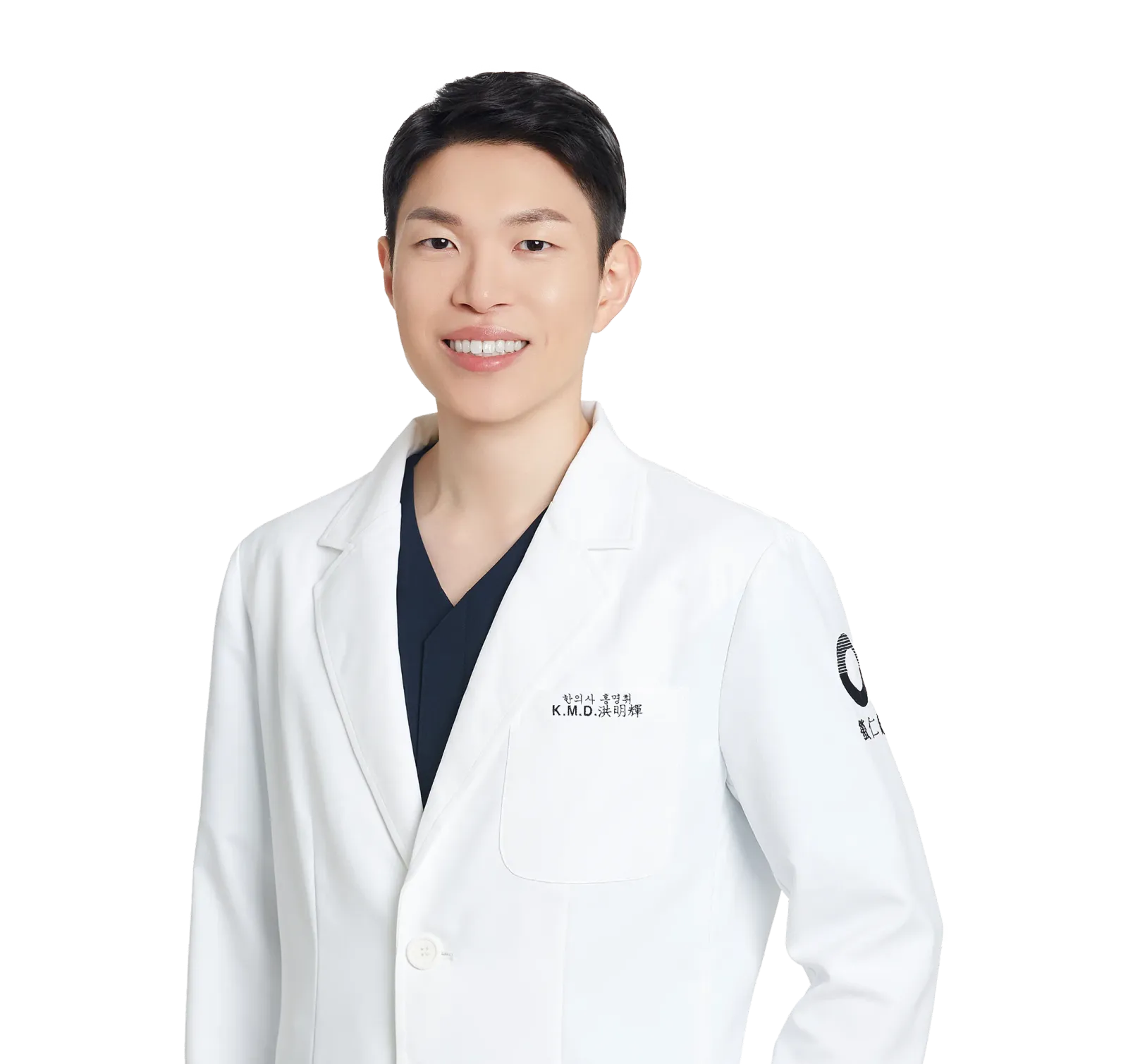
Dr. Hong Myeonghwi
Hyunginjae's chief director graduated from Kyung Hee University College of Korean Medicine. Dr. Hong completed the expert and advanced courses of the Korean Medicine Obesity Society and the regular and advanced courses of the Spine and Nerve Chuna Society, and holds the US RMSK (musculoskeletal ultrasound) credential. Dr. Hong has also done clinical training at three institutions: Beijing University of Chinese Medicine, Hangzhou Tongde Medical Center, and Taichung University of Chinese Medicine.
You can confirm who handles your consultation and treatment when you book
Hyunginjae has one registered Korean medicine doctor, so there is no "choose your doctor" step. About 2 hours are set aside for the first visit. This covers a constitution consultation, body composition analysis, and pulse, abdominal and tongue diagnosis. When you book, you can ask the clinic on WhatsApp to confirm in writing who will see you that day. When you arrive, simply compare this with the credentials listed on the Medical Team page.
Credentials and registration numbers you can verify
The clinic's credentials, with numbers you can check yourself (the business registration number can be looked up on the Korean National Tax Service business registration status service):
- Business registration number 818-28-01947 (registered under its Korean trade name / registered business type: health services · Korean medicine clinic)
- Herbal materials are GMP-certified and tested for pesticide residues and heavy metals
You can verify all of the above on the spot when you visit.
Related reading
Hyunginjae's series on herbal medicine and Korean medicine care:
- Korean Medicine Clinic — The main page for Korean medicine care, covering both herbal medicine and Chuna
- Gongjindan · Gyeongokgo — The origins and ingredients of both formulas
- Online consultation form — The 7 steps of remote prescription
- Secret Diet Program — Herbal medicine programs for weight management
- Chuna Manual Therapy — Hands-on manual treatment
- Medical Team — The chief director's credentials
- Herbal Medicine & Pills — The main page for herbal medicine forms
- Restorative Herbal Medicine — The main page for restorative formulas
- Location — Directions and map
Booking and consultation
Hyunginjae Korean Medicine Clinic works by appointment. Treatment plans are confirmed only after a consultation with the chief director — in person, or remotely through the online questionnaire for some herbal programs.
- Before your visit — message the clinic on WhatsApp
- Language — in-house staff (not outsourced interpreters) speak English, Japanese and Chinese
- Payment — cash or card
- Herbal medicine prescribed remotely — ask the clinic how it can reach you before you start; whether it can be sent outside Korea depends on the item and current rules
- After you return home — contact the clinic directly through WhatsApp, LINE or the official website, with no agency in between
- Phone — +82-2-540-8875 · Email — hijclinic8875@gmail.com
- Hours — Weekdays 10:00–19:00 (lunch 13:30–14:30; last check-in 13:00 and 18:30) · Saturdays and public holidays 10:00–17:00 (no lunch break; last check-in 16:30) · Closed Sundays
Getting here
2F–3F, 20 Yeoksam-ro 1-gil, Gangnam-gu, Seoul — about 3 minutes' walk (196 m) from Gangnam Station Exit 4 (Line 2 / Shinbundang Line), also walkable from Yeoksam Station. The building has mechanical parking; if you drive an SUV, please mention it when you book. See directions.
Results and recovery vary from person to person; suitability is decided at a consultation with the doctor.
This article is general health information and does not replace a personal diagnosis. If symptoms persist or worsen, please see a doctor.
About our doctor