Key points
- Korean medicine doctors hold a separate national license from TCM practitioners. See how to check credentials and herbal standards, and which concerns fit.
- What is the difference between Korean medicine in Korea and Chinese medicine (TCM) in China?
- Do you need to travel to Korea for Korean medicine?
- Which Korean medicine clinics in Korea offer beauty and skin treatments?
- Which concerns fit Korean medicine, and which don’t
- For acne, should you see a dermatologist or a Korean medicine clinic?
- How a visit works: from WhatsApp inquiry to leaving the clinic
- What happens during diagnosis
- Who treats you
- Credentials and registration numbers you can verify
- Related reading
- Booking and consultation
- Getting here
What is the difference between Korean medicine in Korea and Chinese medicine (TCM) in China?
Before debating theory, it helps to separate out the parts you can actually verify. The systems and licenses are separate.
A Korean medicine doctor holds an independent national license in Korea. It belongs to a different licensing system from that of TCM practitioners in China. The chief director of Hyunginjae Korean Medicine Clinic graduated from Kyung Hee University College of Korean Medicine.
The classical texts, however, do overlap. Take two formulas Hyunginjae uses:
Formula → Source
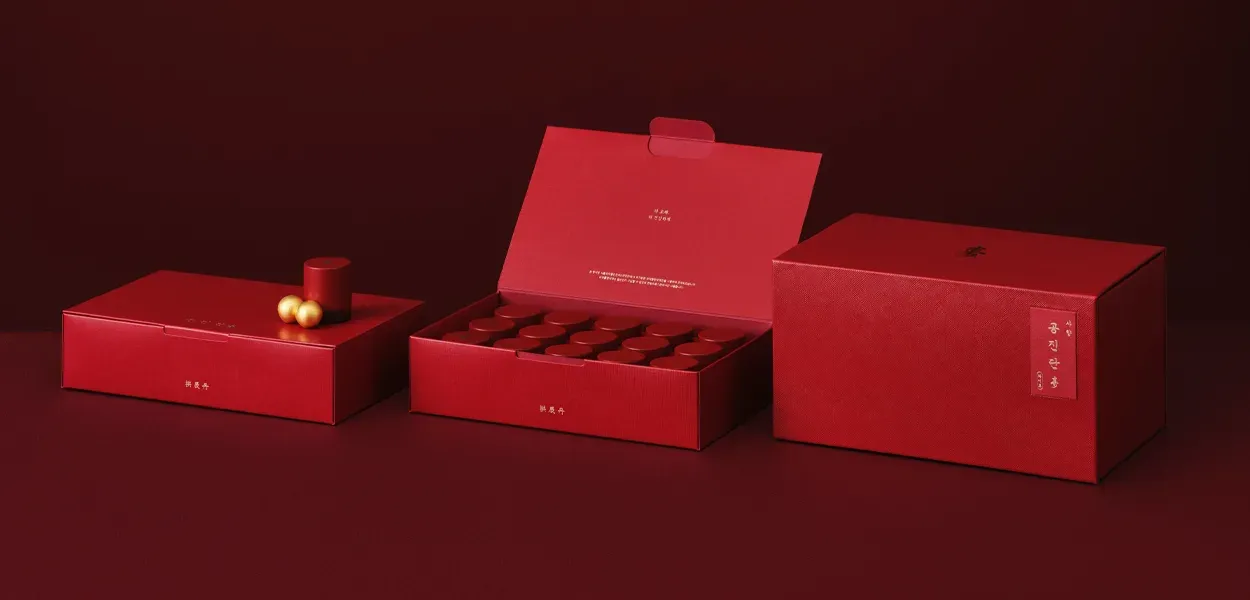
- Gongjindan — A commonly used formula recorded in the classical medical text Shiyi Dexiao Fang, also cited in the Joseon-era Donguibogam
- Gyeongokgo — A representative tonic formula introduced at the very start of the Joseon-era Donguibogam
Under the medical advertising provisions of Korea’s Medical Service Act, the comparisons in this article describe categories (systems) only. They do not directly compare any specific medical institution or its services.
So asking “Whose theory is more correct?” doesn’t help much when you actually see a doctor. Three questions are more useful: Can you verify the clinic credentials and registration number? Which country’s standards govern the herbs? What happens during the diagnosis stage?
Herbs are managed under Korean standards
This is where the difference is most concrete. Hyunginjae uses only herbal ingredients that meet the good manufacturing and quality standards for herbal medicines set by Korea’s Ministry of Food and Drug Safety and are hGMP certified. The herbs must also pass in-house ingredient and genetic testing. Precious ingredients such as musk and agarwood are used only when obtained with permits under CITES (the Convention on International Trade in Endangered Species). For the sources and composition of the two formulas, see Gongjindan · Gyeongokgo.
The chief director has also trained in Chinese medicine
This is useful to know when you choose a clinic. The chief director’s clinical training took place at three institutions: Beijing University of Chinese Medicine, Hangzhou Tongde Medical Center, and Taichung University of Chinese Medicine.
Do you need to travel to Korea for Korean medicine?
It depends on which stage your needs fall into. Some of Hyunginjae’s services can be done remotely. Others require a visit.
Category → Can it be done remotely?
- Consultation and prescription (diet-related) — Yes — Fill out the online questionnaire first. The chief director then consults with you remotely and prescribes (see the online consultation form)
- Pulse, abdominal and tongue diagnosis, plus body composition measurement — Visit required — These assessments are made face to face
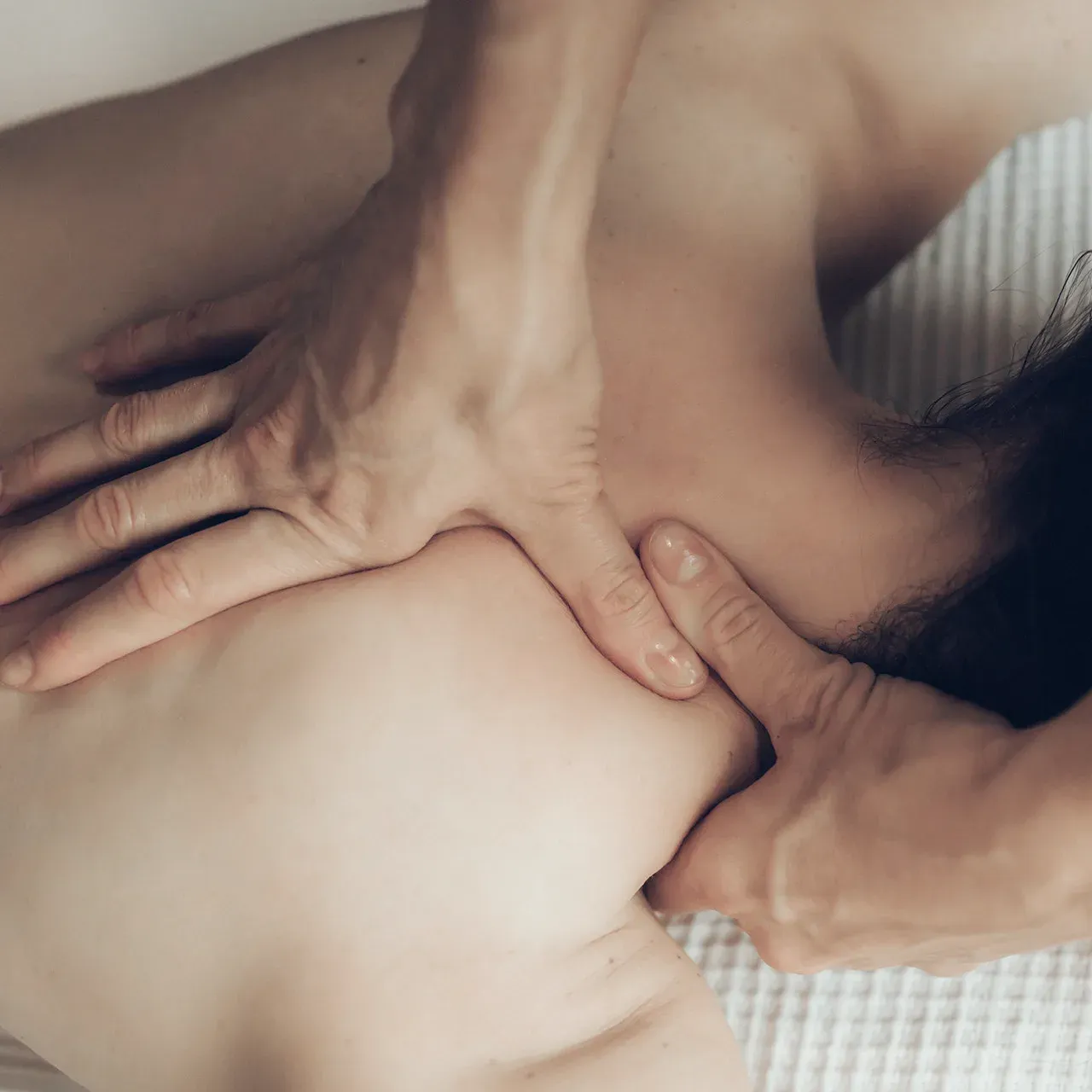
- Hands-on care such as acupuncture, pharmacopuncture and Chuna — Visit required — Done over a series of sessions
So the real question isn’t “Do I need to go to Korea?” but which row the part you need falls into.
Which Korean medicine clinics in Korea offer beauty and skin treatments?
First, a note on scope: Korean medicine aesthetic care is not dermatology services under a different name. At Hyunginjae, aesthetic care centers on pharmacopuncture and hands-on techniques, along with herbal medicine that works at the level of your constitution.
Hyunginjae organizes care by category. The first step is finding where the imbalance shows up first, not picking a treatment:
Category → Focus
- Skin clinic — Four branches: firmness and sagging / pores, texture and regeneration / skin troubles and sensitivity / pigmentation, tone and radiance
- Skin Lifting — Facial contours and firmness
- Diet — Weight and body composition. Clinic's own patient survey: satisfaction 94.8% (Sept. 2024) · Willingness to recommend 91.4% (Oct. 2024)
- Women's wellness — Four main tracks: menstruation / pregnancy and postpartum / menopause / herbal prescriptions
- Korean Medicine Clinic — Two pillars: herbal medicine and Chuna. Three branches: Respiratory Disease, Insomnia and Facial Asymmetry
For skin care, Hyunginjae puts it plainly: first set the order in which the skin should improve, then connect you to the matching plan.
Which concerns fit Korean medicine, and which don’t
This is the question this page really sets out to answer. Based on the categories Hyunginjae publishes, here is how they match up:
Your concern → Where to start
- Recurring acne and sensitivity reactions — Acne Treatment. Pharmacopuncture combined with constitutional care
- Depressed acne scars and other scars — Skin Regeneration Acupuncture
- Facial asymmetry and jaw joint issues — Facial Asymmetry and Chuna
- Weight, body composition and swelling — Secret Diet Program
- Menstrual cycle, period pain and premenstrual changes — Menstrual Disorders
- Preparing for pregnancy, postpartum and post-miscarriage recovery — Prenatal & Postnatal
- Fatigue, low energy and immunity — Gongjindan · Gyeongokgo
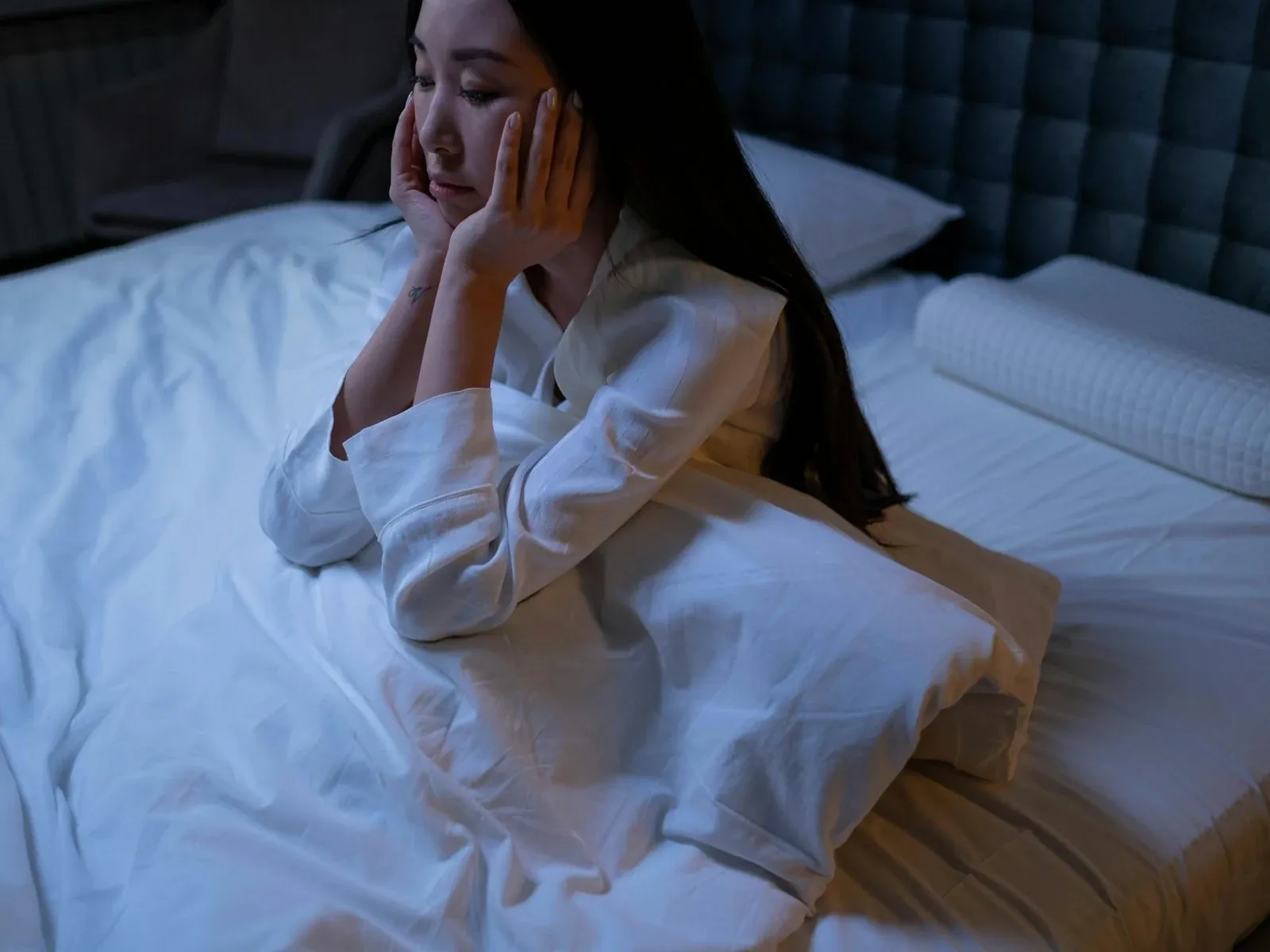
- Trouble falling asleep or light sleep — Insomnia
- Recurring cough, rhinitis or phlegm — Respiratory Disease
Korean medicine care at Hyunginjae reads the balance of fatigue, breathing, sleep and body shape as one overall state of the body. The direction and order of care are set through consultation, rather than listing herbal medicine, Chuna and disease management as separate products.
For acne, should you see a dermatologist or a Korean medicine clinic?
This is the question people ask most, so it deserves a precise answer: it isn’t either-or.
A Korean medicine consultation at Hyunginjae looks at the background and rhythms of your sleep, digestion, stress, menstrual cycle and any medications you’re taking. In a signed article, the chief director states clearly: do not stop necessary dermatology treatment or prescribed medication on your own (see What to track when acne keeps coming back).
The two work side by side. Korean medicine looks at the background and the situations in which breakouts keep returning. Dermatology treats the lesions you have now. What needs deciding is which one should take the lead at this stage, not which side to pick.
One more point from the same article: conditions such as perioral dermatitis and folliculitis can look a lot like acne, so telling them apart accurately matters. That’s why the first step is an in-person consultation.
How a visit works: from WhatsApp inquiry to leaving the clinic
Step 1 · WhatsApp consultation
Message Hyunginjae on WhatsApp about your current situation and what you’d like to address. For some herbal medicine programs, you can fill out an online questionnaire first, and the chief director will consult with you remotely before prescribing (see the online consultation form).
Step 2 · In-person consultation
Hyunginjae works by appointment only. About 2 hours are set aside for the first consultation. It includes a constitutional assessment, body composition measurement, and pulse, abdominal and tongue diagnosis. Your plan and fees are decided only after this step.
Step 3 · Treatment
Treatment follows the plan set during the consultation. For programs that need several sessions, the intervals and number of sessions are explained at this stage.
Step 4 · Aftercare and after you return home
Before you leave, the clinic explains the precautions for this visit and when your next session should be. After you return home, you can contact the clinic directly via WhatsApp, LINE or the clinic’s official website, with no agency in between. Results and recovery vary by individual.
What happens during diagnosis
When judging a Korean medicine clinic, how much time it sets aside for the first visit tells you more than its treatment menu. Hyunginjae reserves about 2 hours for the first consultation. It covers five elements — constitutional assessment, body composition measurement, and pulse, abdominal and tongue diagnosis — all in a single session.
The Women’s wellness process is described in even more detail: ① Initial consultation (first listening to the signals that affect your daily life most right now — pain, cycle changes, fatigue, sleep) → ② Reading your condition (explaining how the changes came about in the bigger picture of menstruation, pregnancy and childbirth, and menopause) → ③ Treatment plan (coordinating herbal medicine, acupuncture, lifestyle care and recovery guidance around your current stage, rather than handling each one separately).
Who treats you
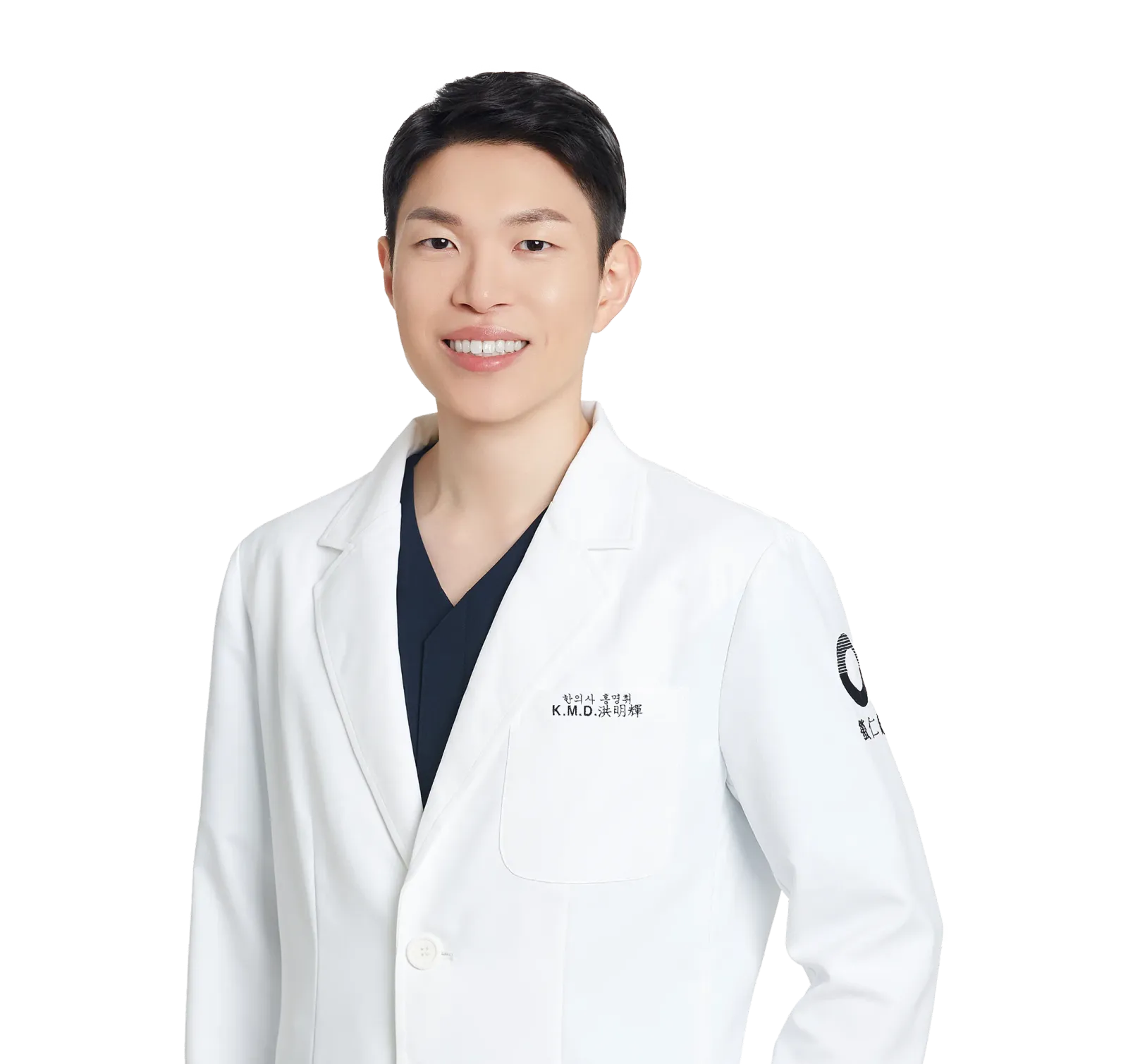
Dr. Hong Myeonghwi
Hyunginjae’s chief director graduated from Kyung Hee University College of Korean Medicine. Further training includes the expert and advanced courses of the Korean Medicine Obesity Society, the regular and advanced courses of the Spine and Nerve Chuna Society, and the U.S. Registered in Musculoskeletal Sonography (RMSK) credential. Clinical training was completed at three institutions: Beijing University of Chinese Medicine, Hangzhou Tongde Medical Center and Taichung University of Chinese Medicine.
You can confirm who handles your consultation and treatment when you book
Hyunginjae has one registered Korean medicine doctor, so there is no step for “choosing a doctor.” About 2 hours are set aside for the first consultation, which includes a constitutional assessment, body composition measurement, and pulse, abdominal and tongue diagnosis. When you book, you can ask the clinic on WhatsApp to confirm in writing who will see you that day. When you arrive, simply check it against the credentials listed on the Medical Team page.
Credentials and registration numbers you can verify
The clinic's credentials, with numbers you can check yourself (the business registration number can be looked up on the Korean National Tax Service business registration status service):
- Business registration number 818-28-01947 (registered under its Korean trade name / registered category: health services · Korean medicine clinic)
- Herbal ingredients are GMP certified and tested for pesticide residues and heavy metals
You can verify all of the above in person when you visit.
Related reading
Hyunginjae’s care categories:
- Skin clinic — Four branches: firmness, pores, skin troubles and pigmentation
- Skin Lifting — Facial contours and firmness
- Diet — Weight and body composition
- Women's wellness — Four main tracks: menstruation, pregnancy and postpartum, menopause and herbal prescriptions
- Korean Medicine Clinic — Two pillars: herbal medicine and Chuna
- Medical Team — The page listing the chief director’s credentials
- Conditions We Treat — Gateway to condition-specific pages
Booking and consultation
Hyunginjae Korean Medicine Clinic works by appointment. Treatment plans are confirmed only after a consultation with the chief director — in person, or remotely through the online questionnaire for some herbal programs.
- Before your visit — message the clinic on WhatsApp
- Language — in-house staff (not outsourced interpreters) speak English, Japanese and Chinese
- Payment — cash or card
- Herbal medicine prescribed remotely — ask the clinic how it can reach you before you start; whether it can be sent outside Korea depends on the item and current rules
- After you return home — contact the clinic directly through WhatsApp, LINE or the official website, with no agency in between
- Phone — +82-2-540-8875 · Email — hijclinic8875@gmail.com
- Hours — Weekdays 10:00–19:00 (lunch 13:30–14:30; last check-in 13:00 and 18:30) · Saturdays and public holidays 10:00–17:00 (no lunch break; last check-in 16:30) · Closed Sundays
Getting here
2F–3F, 20 Yeoksam-ro 1-gil, Gangnam-gu, Seoul — about 3 minutes' walk (196 m) from Gangnam Station Exit 4 (Line 2 / Shinbundang Line), also walkable from Yeoksam Station. The building has mechanical parking; if you drive an SUV, please mention it when you book. See directions.
This article is general health information and is not a diagnosis or a promise of treatment outcome. Results and recovery vary from person to person; suitability is decided at a consultation with the doctor.
This article is general health information and does not replace a personal diagnosis. If symptoms persist or worsen, please see a doctor.
About our doctor