Key points
When post-meal fullness persists, record eating speed, portions, snacks and drinks, sleep, bowel habits, and warning symptoms together.
When post-meal fullness persists: record eating speed, snacks, sleep, and bowel habits
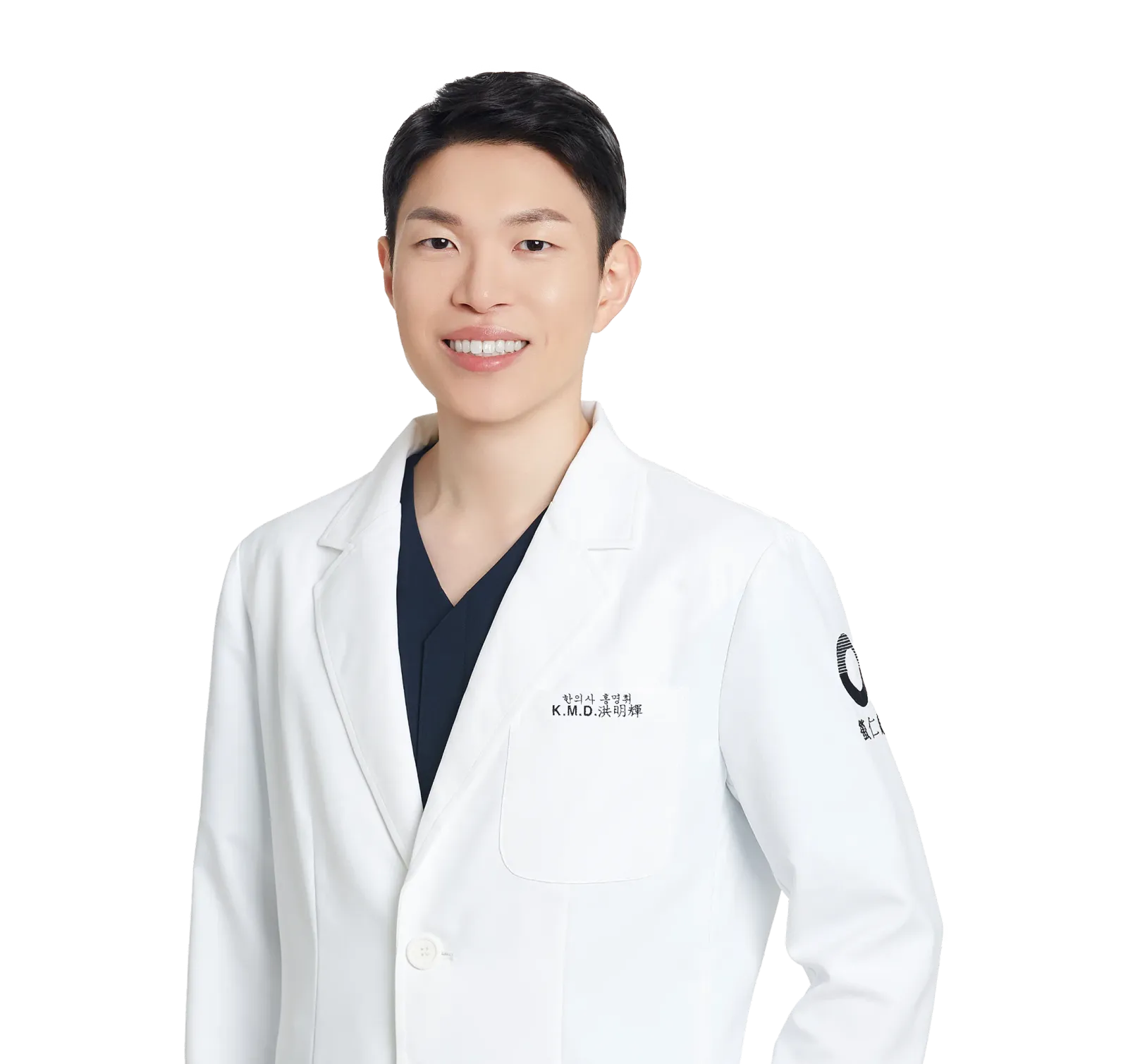
Hello, I am Dr. Hong Myung-hwi, Chief Physician at Hyunginjae Korean Medicine Clinic Gangnam.
Some people experience prolonged bloating after meals or feel full after only a small amount. Rather than blaming one food, record eating speed and portions, snacks and drinks, sleep, bowel habits, and associated symptoms.
Record when discomfort starts and how long it lasts
The points to review differ when symptoms begin during a meal, immediately afterward, or several hours later.
Also note upper-abdominal discomfort, burning, belching, nausea, and feeling full too soon.
Review eating speed, portions, snacks, and drinks together
Separate days with rapid eating, large late meals, carbonated drinks, caffeine, or alcohol.
Before excluding several foods for a long period, check whether the same food-symptom pattern repeats.
Include sleep, stress, and bowel changes
Discomfort may feel stronger after poor sleep or irregular meal timing.
Bowel frequency and form, abdominal pain, weight change, medicines, and supplements are also useful consultation details.
Warning symptoms should not be delayed with self-care alone
Severe persistent abdominal pain, repeated vomiting, difficulty swallowing, black or bloody stool, or unintentional weight loss requires medical evaluation.
At Hyunginjae Korean Medicine Clinic Gangnam, we review symptom timing and food, sleep, and bowel records and explain the appropriate direction of care.
This was Dr. Hong Myeong-hwi, Chief Physician at Hyunginjae Korean Medicine Clinic Gangnam (Acupuncture Hyunginjae Gangnam Diet Korea).
Consultation is available in English, Japanese, and Chinese.
Parking: a parking elevator is available inside the building. For SUVs and large sedans, please contact us before your visit.
For appointments, please contact us by phone or through our website.
2F–3F, 20 Yeoksam-ro 1-gil, Gangnam-gu, Seoul
tel. +82-2-540-8875
This article is general health information and does not replace a personal diagnosis. If symptoms persist or worsen, please see a doctor.
About our doctor