
Hello. I’m Dr. Hong Myeong-hwi, Chief Physician at Hyunginjae Korean Medicine Clinic Gangnam (Acupuncture Hyunginjae Gangnam Diet Korea).
Your fingers may feel stuck when you grip a bottle cap or fasten a button after waking. It’s easy to dismiss the problem once a little rubbing loosens them. The strength of the pain isn’t the only clue. Record how long the stiffness lasts and whether the joints swell.
I don’t assume that every stiff finger has the same cause. Discomfort after heavy hand use and repeated signs of joint inflammation need different assessments. Start with time.
- Thirty minutes is an observation point, not a diagnosis
- Check one hand versus both, plus swelling and warmth
- How to prepare photos and daily notes
- Seek assessment first if a joint is hot, very swollen or losing function
- Frequently Asked Questions (FAQ)
1. Thirty minutes is an observation point, not a diagnosis
Time how long it takes your morning stiffness to ease and note whether it lasts beyond 30 minutes. In inflammatory joint conditions such as rheumatoid arthritis, stiffness after waking or a long rest can last longer than 30 minutes. The small joints in the hands and wrists may be affected early.
That number alone can’t diagnose a condition. Osteoarthritis, overuse and problems around a tendon can also make the fingers stiff. A repeated pattern over several days tells a clinician more than one difficult morning.
I don’t use a number as a label. I use it to describe when you could hold a cup again. Keep the timing simple.
2. Check one hand versus both, plus swelling and warmth
Mark the uncomfortable finger joints on a hand drawing. Note whether the problem is on one side or similar on both. Rheumatoid arthritis often follows a symmetrical pattern, but it doesn’t always do so.
Check whether you can make a full fist, whether a ring feels tighter than usual, and whether a joint looks swollen, warm or red. Changes in everyday tasks such as buttoning clothes or opening a bottle are useful details. Don’t force a hard grip just to test yourself.
Check both sides. I prefer to hear the location, duration and affected tasks rather than one pain score alone. Those details are more practical when narrowing the cause.
3. How to prepare photos and daily notes
Take a photo of the backs and palms of your hands from the same angle each morning. Add an evening photo if swelling appears. Do not delay care just to complete a set recording period. Note your wake time, when stiffness eased, the affected joints, swelling or warmth, and any pain medicine you took.
Include long typing sessions, heavy lifting or an injury from the day before. Fever or unusual fatigue outside the joints matters too. A photo can’t diagnose you, but it can show a changing pattern more clearly.
Save the photos. Don’t compare them with online images to name the condition yourself. One normal blood test doesn’t rule out every early joint disease, so history, an exam and any needed tests must be considered together.
4. Seek assessment first if a joint is hot, very swollen or losing function
If a joint suddenly becomes hot, red, very swollen and severely painful, or if you have a fever, don’t keep observing it at home. Seek medical assessment. Do the same after an injury if a finger looks deformed, is hard to move, or develops new numbness or weakness.
If morning stiffness repeatedly lasts longer than 30 minutes, several small joints swell, or tasks such as buttoning clothes become difficult, ask rheumatology, orthopedics or another appropriate medical service to assess the cause. Don’t delay a condition that needs early evaluation by relying on heat or acupuncture alone.
Pause here. Before I consider Korean medicine support, I separate warning signs from problems that need specialist care. Acupuncture or herbal medicine can’t be promised to solve every cause of hand-joint symptoms.
Frequently Asked Questions (FAQ)
Is it harmless if stiffness only happens in the morning?
Morning-only symptoms still need context: duration, repetition, swelling or warmth, and changes in daily tasks. Seek assessment if the pattern persists for days, lasts beyond 30 minutes or involves swelling in several joints.
Does more than 30 minutes mean rheumatoid arthritis?
No. Thirty minutes is an observation point, not a diagnosis. A clinician combines your history, joint examination, blood tests and imaging when needed to distinguish other causes.
Should I start with heat or finger exercises?
Avoid forceful bending or repeated hard gripping before the cause is clear. If a joint is hot, red, very swollen or severely painful, medical assessment comes before heat.
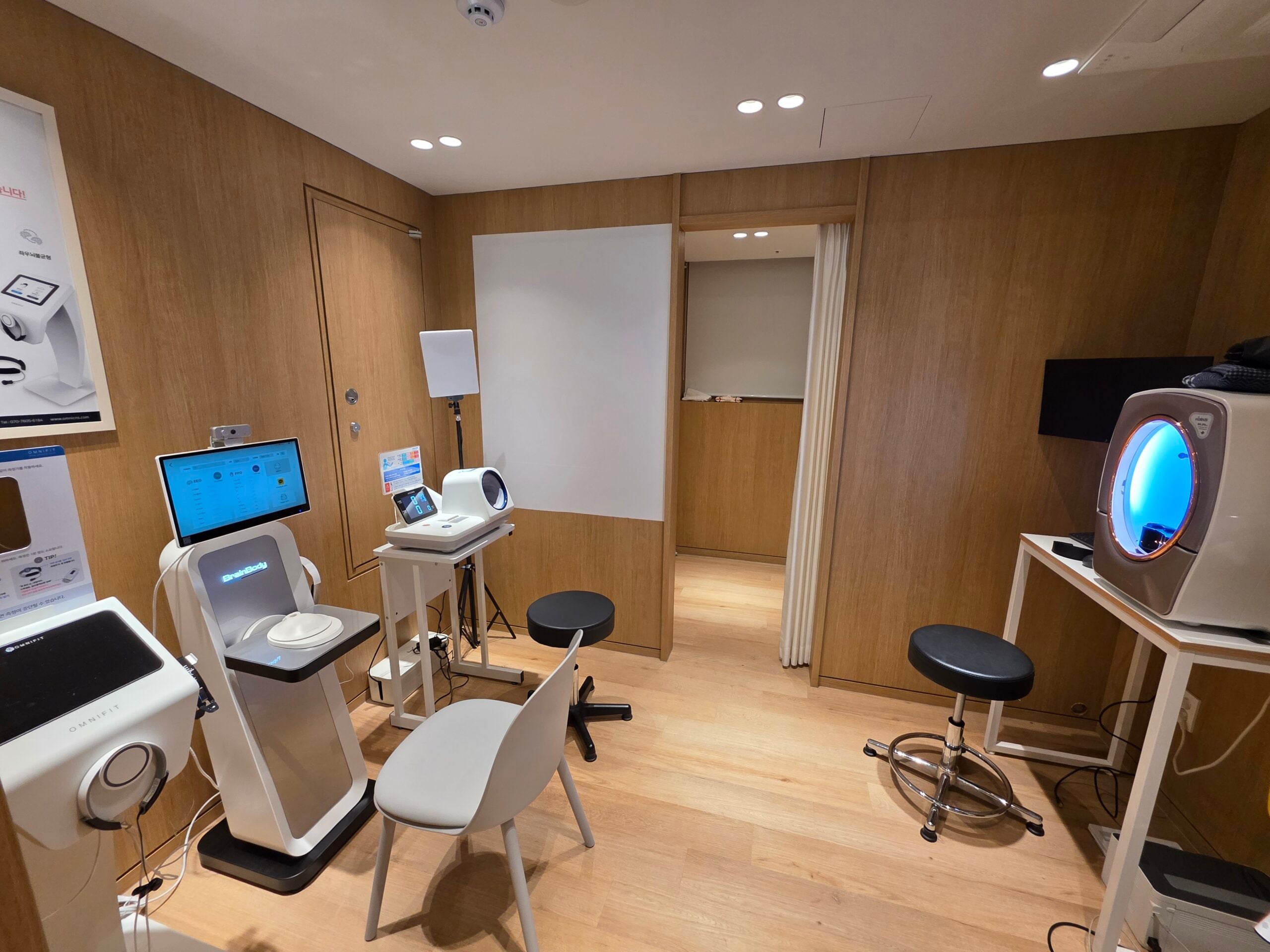
If morning finger stiffness keeps returning, record its duration, side-to-side pattern, swelling or warmth, and the tasks it affects. Start with an assessment from rheumatology, orthopedics or another appropriate medical service. When asking Hyunginjae Korean Medicine Clinic Gangnam about daily habits or Korean medicine support, bring previous test results and a medication list. This can’t replace specialist care. The featured photo shows the clinic examination room and doesn’t represent a specific diagnosis or treatment result.
This is general health information, not an individual diagnosis or treatment plan. A clinician should assess the cause of symptoms and appropriate care.
This was Dr. Hong Myeong-hwi, Chief Physician at Hyunginjae Korean Medicine Clinic Gangnam (Acupuncture Hyunginjae Gangnam Diet Korea).
Consultation is available in English, Japanese, and Chinese.
Parking: a parking elevator is available inside the building. For SUVs and large sedans, please contact us before your visit.
For appointments, please contact us by phone or through our website.
2F–3F, 20 Yeoksam-ro 1-gil, Gangnam-gu, Seoul
tel. +82-2-540-8875


